“You’re stealing somebody’s dream”
By: Conner Drigotas
Good neighbor, bad news
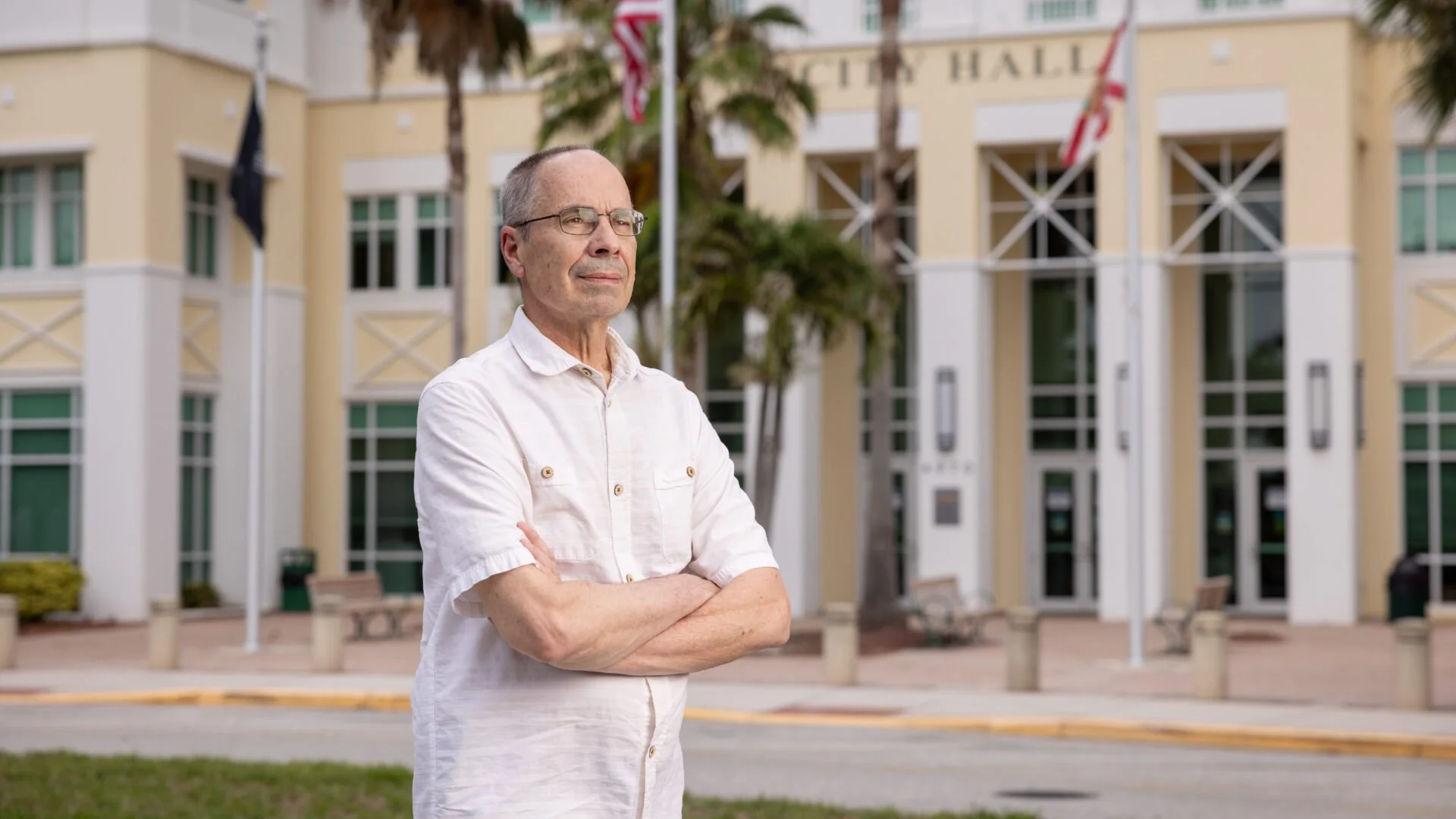
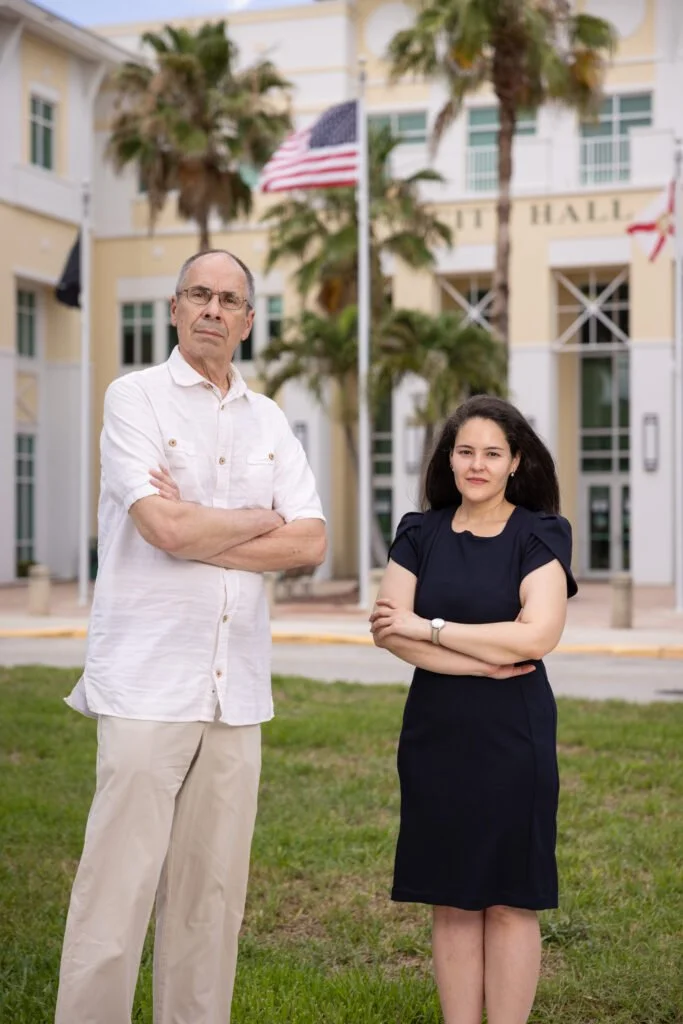
Art Yatsko was ready to retire. Standing in the North Port, Florida, sun, a far cry from the Rhode Island winters he was used to, he had a builder at his side to discuss his vision for a horseshoe house with a pool in the courtyard. He and his wife imagined a modest single-family building with southern exposure to warm the water and enjoy a family that recently grew to include a seventh grandchild.
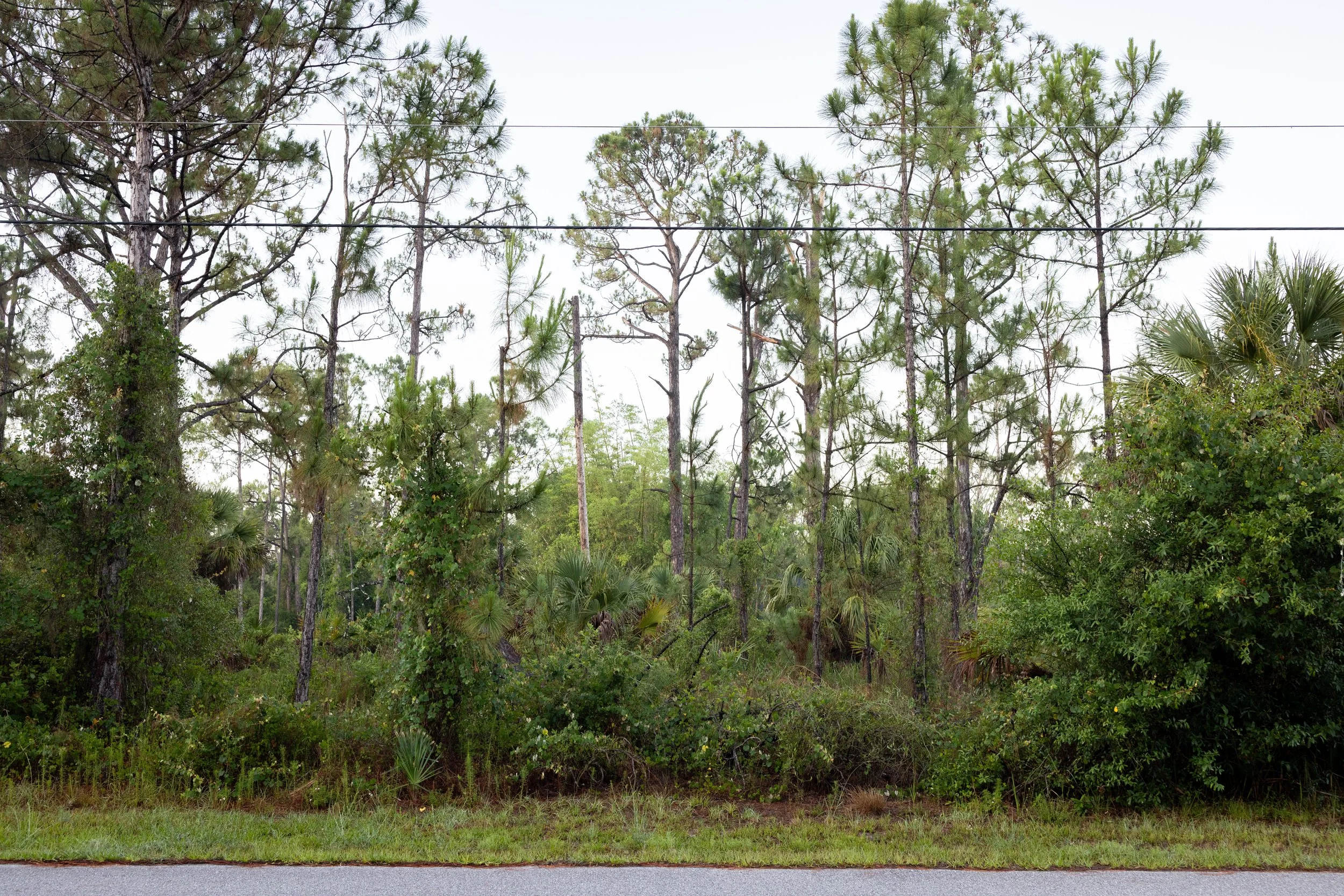
Breaking ground had been a long time coming. Art had bought the lot in 2006 for $42,000 and had been paying taxes on the property for nearly 20 years. As he stood with his builder at his lot near the end of 2024, winding down his career as a real estate broker, this was his opportunity to cash in and kick back.
His well laid plans were knocked sideways, however, when a future neighbor interrupted with a kind word, and devastating news. “I haven’t seen you in a couple of years, what are you doing?” Art recalls the neighbor asking. “Well, I’m finally getting around to building this house,” Art replied.
“Well, you really should go right to City Hall,” Art was told, “They’re going to change the zoning.”
As the neighbor caught Art up on local politics, Art’s first reaction was disbelief. “If it was coming from anyone else, I would have said, ‘No, you must have this wrong.’” But the neighbor is a realtor too. “He wouldn’t have gotten that wrong. He’s in the business.”
The zoning change boiled down to a ban on building single family dwellings, a change city hall officials confirmed to Art within the next few hours, effectively killing his retirement plan, and launching his fight to push back against what Art believes to be a foolish policy choice.
“It made absolutely no sense. It was a disaster.”
“[a] variance cannot be granted”
Speaking to city employees just a few hours later, Art learned that the timing of looking to build was astonishingly bad. He walked in hoping to have a reasonable conversation, maybe “draw something on the back of a phone book,” then “modify it later,” but instead he was met with the news that the new code had been made official. “I missed my window by two weeks.”
Standing at the planning counter, Art did what any seasoned property man would do and started looking for angles. Staff handed him papers, and he knew how to read a zoning table.
Could he build a two-family? “Well, you’ll need a variance.” That would mean jumping through hoops to get permission to deviate from the zoning code. He didn’t want a two-family anyway. What about an office, since he already works from one at home? They said he could build an office, “but they were quite clear that it could only be an office.”
“Basically, you’re saying no single families.”
The city was, in Art’s words, “pretty noncommittal” to alternative ideas, and offered no suggestions for what he could do. Later, the city confirmed in writing: “[a] variance cannot be granted for the construction of a single-family home.”
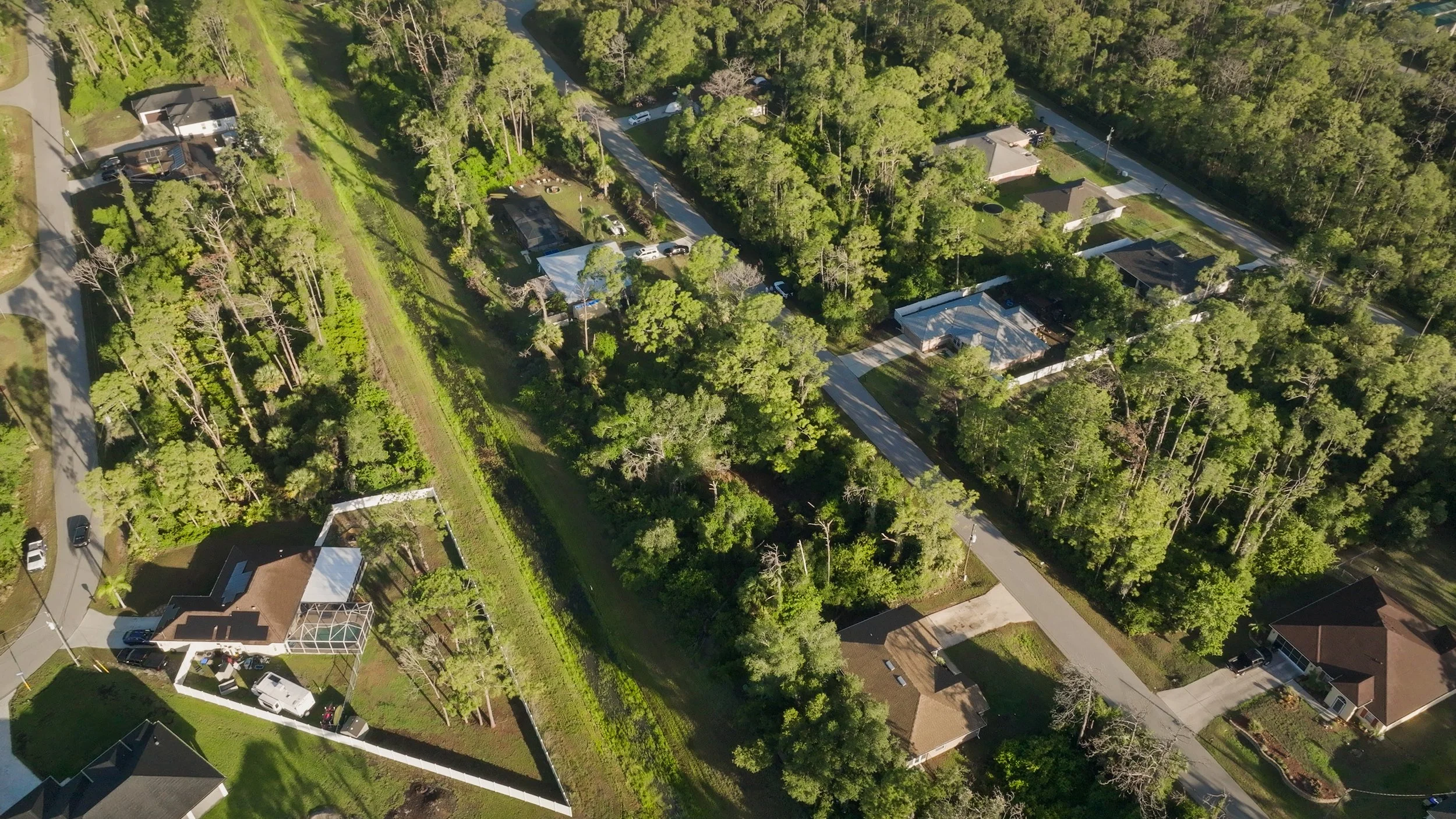
Under North Port’s new code for his neighborhood, though, he could have built a nightclub, a brewery, a funeral home, or an indoor shooting range. What he couldn’t build was a house on a street of houses.
“I can open my own bar,” Art said, with no small amount of humor, in an interview with Respect America. But as a man who has sold commercial land, he sees the problem right away. Nobody is going to drive down a side street, three blocks off the main road, and say, “Let’s go try that place.” If a bar or another business he opens dies, or when he does, “they’re going to have an empty building on a residential street with a couple of overhead doors and a glass storefront.”
Though city officials say their zoning plans were designed to support economic growth, Art has a cynical theory about the real motive, which he offers as a belief and not as a fact: On November 3, 2026, Florida residents voted on and passed Amendment 3, a Homestead tax exemption change that would mean decreased property taxes for millions of people, while taking a bite out of town revenues across the state by an estimated $8.4 billion in 2028-2029.
Before it passed, Art noted that city officials may have been trying to get ahead of that possibility.
“You’d think they just want no more single families if they can’t tax them [as much].”
“You’re stealing somebody’s dream.”
Regardless of their actual reason for the zoning change, city officials had ample warning that their zoning idea was ill conceived. In a study they commissioned and received the results of prior to passing the law, multiple “barriers” were identified: land rezoned for high-density development is owned by “disparate owners uninterested in aggregating lots for commercial development,” there is “insufficient market demand,” and the lots are “poorly situated to make sense for business.”
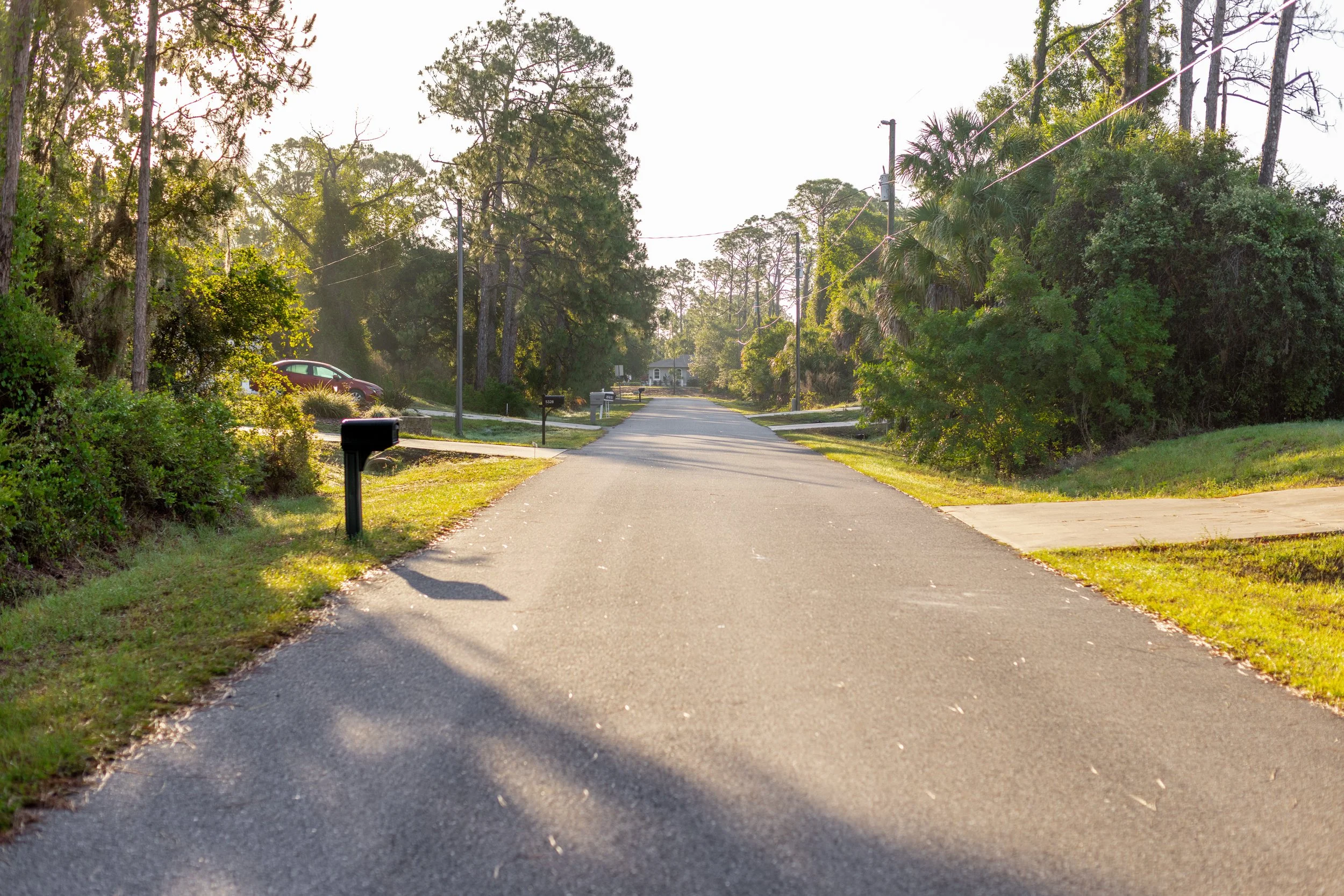
It makes even less sense for Art’s lot to have been included in the change. Not only was his neighborhood not included in the study in the first place, but on his drive to the lot he passes empty acres on the highway. Any developer, he reasons from a career in real estate, would buy that farmland for half the money before touching a buried residential street. He shakes his head as he lays it out, “Talk about shooting yourself in the foot.”
What bothers Art most is how this came to pass. Without meaningful notification, and with significant harm to those like him.
City officials have no problem reaching him when they want something. “The only notification I get from Florida are the tax bills,” he laments. “But they didn’t reach out when it’s something that impacts my property.”
He believes most of the vacant lots on his street belong to people in other states, like him, who plan to build someday. “I would wager that none of them know that they’re now paying taxes on a dream that they can’t have. You’re stealing somebody’s dream.”
The Principle of Human Respect starts with recognizing that hurting each other reduces happiness, harmony, and prosperity. This re-zoning fits the bill. City officials took the desired and functional use of a property, and forbade it in favor of a pipe dream of economic growth and revenue protection.
Despite passing a vote by North Port City Commissioners, the process gave the people it affects no meaningful say, because the people it affects don’t live there to vote. Besides, a majority vote doesn’t magically sidestep the inevitable consequences of initiating violence or diminishing wealth by force or fraud.
Art is now suing city officials with the Institute for Justice, a nonprofit law firm offering free legal help. He hopes to build his retirement home for his family, and preserve people’s ability to safely say no when government officials run with an idea that “just doesn’t make sense”, and reduces people’s prosperity.
Art says it would have been simple to build the house, and the neighbors would have noticed nothing except another family moving in. He’s still looking forward to a sunny retirement, and optimistic about his chances in front of a judge. “I was thrilled when my lawyers were willing to take the case,” he says. “I thought it was a pretty obvious violation.”