Wenatchee Shut Down a Food Ministry 'to See What Happens'
By: Conner Drigotas
Lighthouse Christian Ministries was started in 2009 to fill important needs in the Wenatchee, Washington State, community: food, fellowship, and spiritual support.
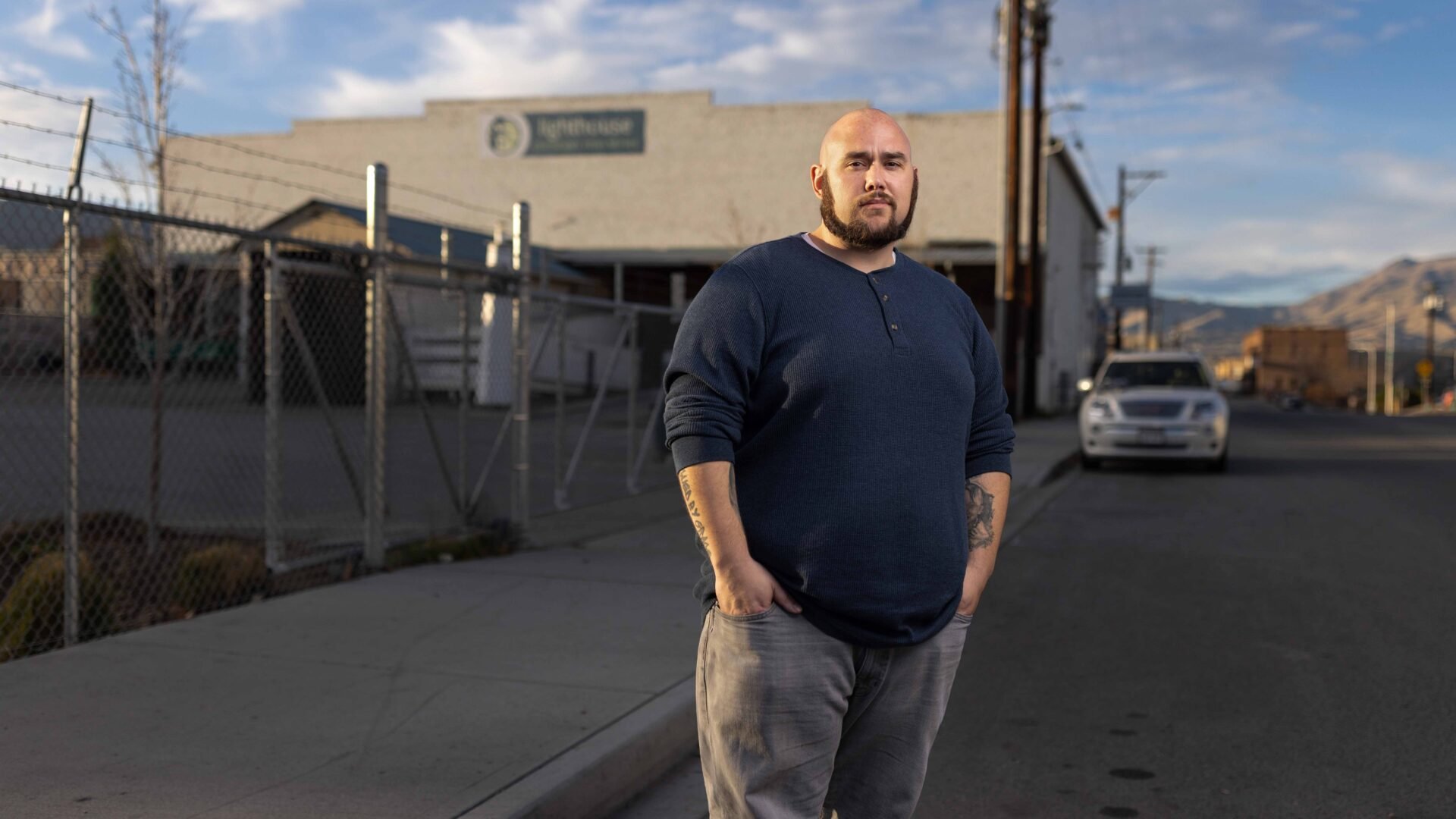
In an interview with Respect America, Lighthouse Executive Director Kolin Oliveira shared that in its first form, Lighthouse was a small building just a few blocks away from the organization’s current location. “It had a small kitchen, and it started with the idea of a Fishes and Loaves Ministry,” Oliveira says. “We’re going to feed people, we’re going to share the gospel, and we’re going to hope that it makes an impact.”
As the crowd of daily visitors began to grow, so did the variety of needs Lighthouse employees sought to fill. Over the next few years, a vision began to emerge of expanding into support homes, partnerships, and other services that simply couldn’t fit in their current building’s footprint. They needed to grow physically to match the size of their spirit; the organization’s founder, Robert J. Rogers, found a vacant warehouse, and they started to plan.
The concept was significant, and would become a $1.6 million investment. The November 2015 decision to move forward was not made lightly. “Lighthouse Christian Ministries is not going to pour hundreds of thousands of dollars into a project where there’s no foreseeable future, right?” Oliveira says.
Leaders of the organization met with Wenatchee city officials to chart the path. In February 2016, they walked away with approval for a food safety net offering breakfast, lunch, and dinner. City officials approved Lighthouse’s management plan, including that “the proposal has been designed to minimize adverse effects on neighboring properties,” then issued a certificate of occupancy in July 2019.
For the next six years, Lighthouse Christian Ministries went about the work of food, fellowship, and spiritual support – in 2024 Oliveira says they distributed “over a million pounds of food back into our community.”
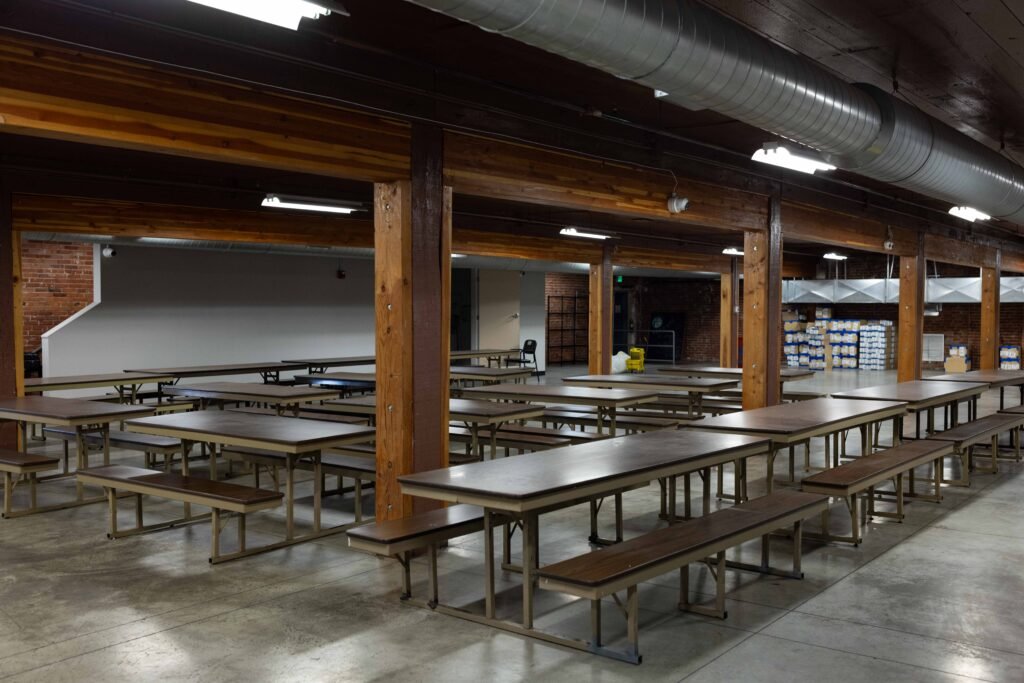
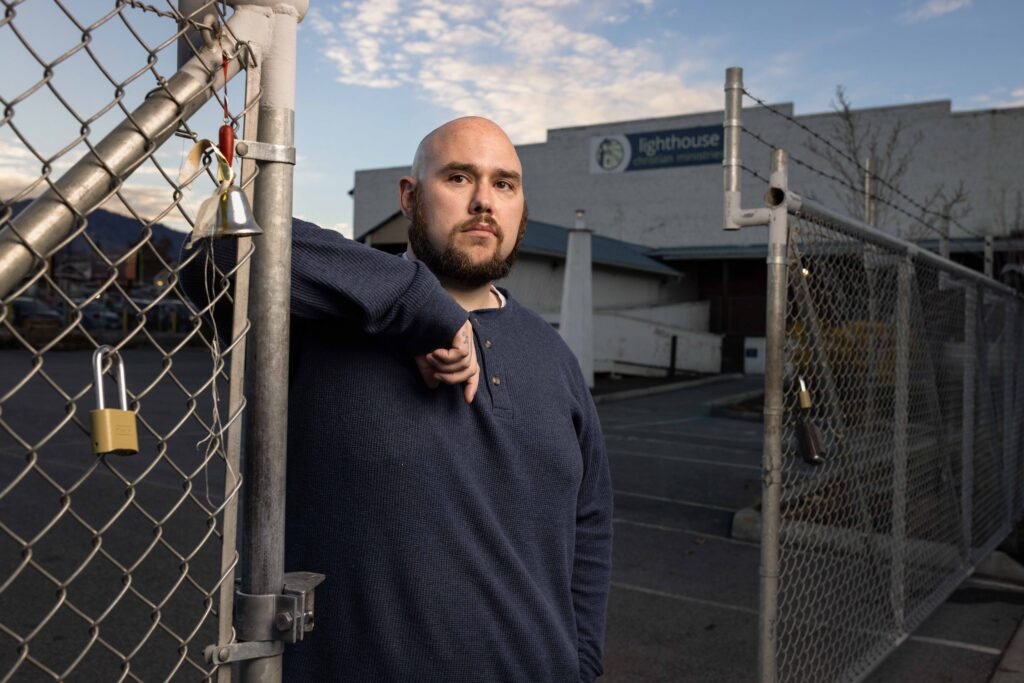
When he spoke with Respect America, in October 2026, however, Oliveira sat in front of a quiet Lighthouse Ministries building where no food was being offered.
The history is important to understanding this story, but when he was interviewed, Oliveira was thinking about the present and future.
Since August 2025, Lighthouse operations have been put on hold, and what comes next is up in the air.
45 Minute Fix
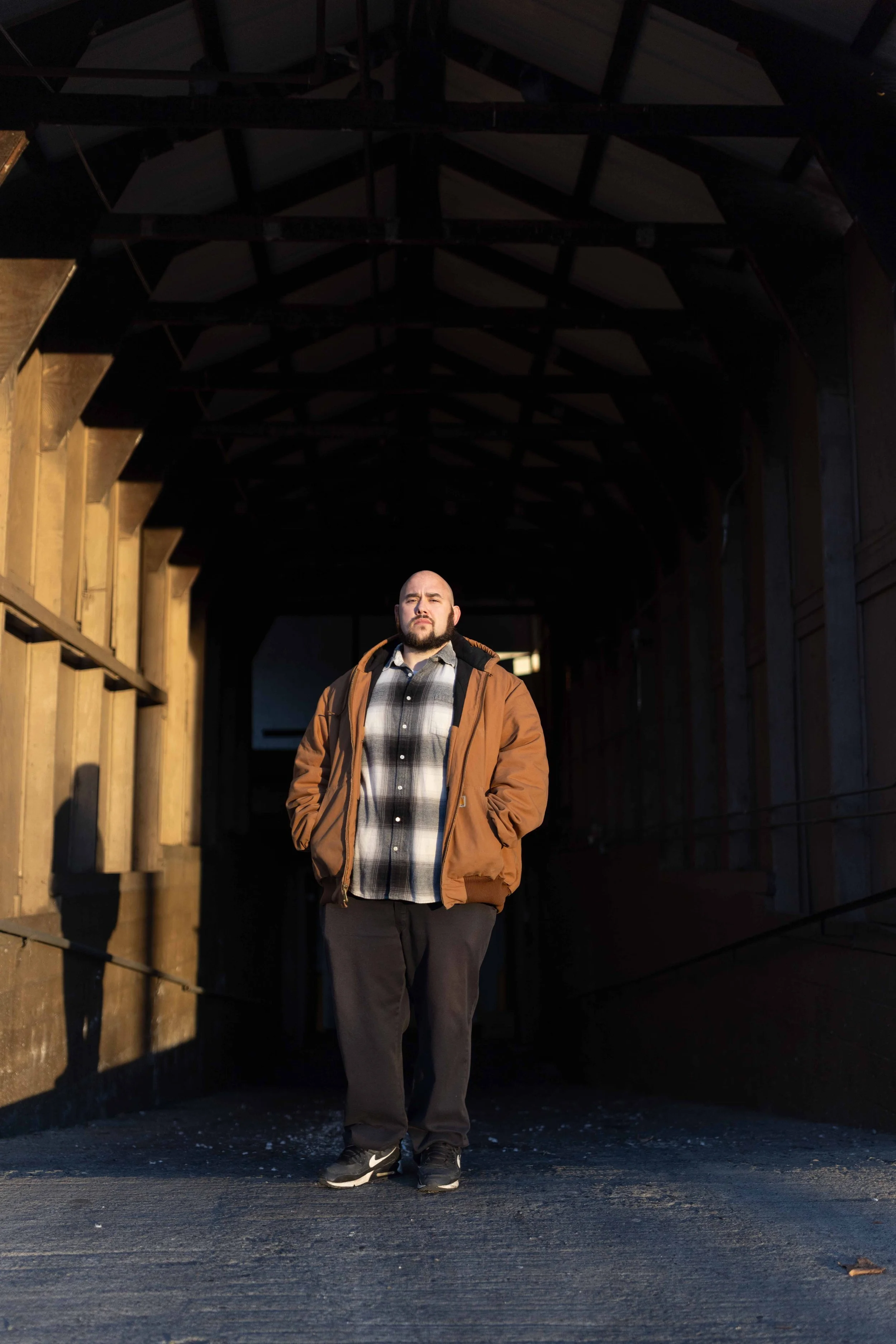
“Where all of this hinges, really,” Oliveira says, “is on that conditional use permit.”
During the years they were operating at full capacity, Lighthouse was a busy place.
“It wasn’t a spot where people just came and sat all day and did nothing,” he says. The kitchen served three meals a day, operated as a place to escape the heat in summer and the cold in winter, offered optional Bible studies multiple times every day, and hosted free food markets twice a week. Everyone who was hungry got fed.
Dealing with those who needed help, however, came with behavioral and cultural challenges and required rules. Under the plan Lighthouse developed in partnership with city officials, troublemakers were warned, and then excluded for a day, a week, or a month. If someone returned after being banned, staff called the police. A permanent ban could be used if behavior was not changed after previous exclusions.
In March 2025, Lighthouse added a check-in system to ensure they knew who was on the property. On top of this, they had previously started locking the main gate, and routed people through a side door to make sure no one could slip through. Oliveira says they also began locking a door to their HVAC system to stop potentially expensive damage from occurring, and leased an adjoining parking lot “so individuals coming to our free food market had somewhere to park, not taking up space at our neighbor's.”
On May 12, 2025, the city revoked Lighthouse’s conditional use permit. Among the stated reasons were the doors, some gates, and the parking lot. “All of the issues in the complaint took me a whopping 45 minutes to correct.”
Also listed was that service calls to the area and complaints from surrounding businesses made Lighthouse a “chronic nuisance.”
The document that gave Lighthouse Christian Ministries legal permission to be in business, the conditional use permit, is the same piece of paper that was yanked out from under them. Oliveira argues there has been a lack of justice on two fronts: the door, gate, and lot “problems” were fixable almost immediately, and there was a lack of proper escalation.
“When you’re in violation of a code, you tell the person that they’re in violation, and you give them an opportunity to fix it,” Oliveira says. “That’s the whole point. Every other person that's ever been in violation of a code in the city of Wenatchee has gotten a warning from code enforcement saying, ‘Hey, this is what you're doing wrong.’” Lighthouse, he says, wasn’t given a fair chance.
Permissioning peaceful activities, like feeding the needy, is a double-edged sword. Proponents of conditional use permits and other licensing argue that these are essential for safety and order. Opponents recognize that so long as a permission slip can be given, there is a risk of it being unfairly taken away.
Oliveira says city officials used flimsy excuses to shut down Lighthouse, and has evidence that revocation of their conditional use permit was simply the intended last stroke in a years-long effort to see them undone.
“a natural desire to be helpful”
Though the issue is now being fought in federal court, the legal proceedings to protect Lighthouse began locally.
“Because I fixed those issues [in 45 minutes],” Oliveira says, “we were granted an opportunity to remain open while we appealed the decision.”
So, they appealed. They hired a local attorney and at an August 2025 hearing in front of a city appointed hearing officer, city official’s case rested on 911 data to support their “chronic nuisance” claims. Neither Lighthouse nor their attorney had seen the numbers beforehand and had no way to answer them. The hearing examiner upheld the revocation, and Lighthouse has been closed ever since.
The 911 data was damning, but it was also deeply flawed. Soon after the conditional use permit revocation was confirmed, Lighthouse began to work with the Institute for Justice (IJ), a nonprofit law firm. In subsequent months, IJ attorneys have discovered through record requests that the 911 data used to put Lighthouse out of business was a mishmash of calls that included issues well outside of anything Lighthouse could control.
“Anytime somebody was leaving the bar down the block and getting pulled over for a DUI, anytime there was a car accident, it was Lighthouse’s fault,” Oliveira says. “When the Institute for Justice broke the data down, crime around Lighthouse had stayed pretty much the same, and 911 calls were no different before Lighthouse than after.”
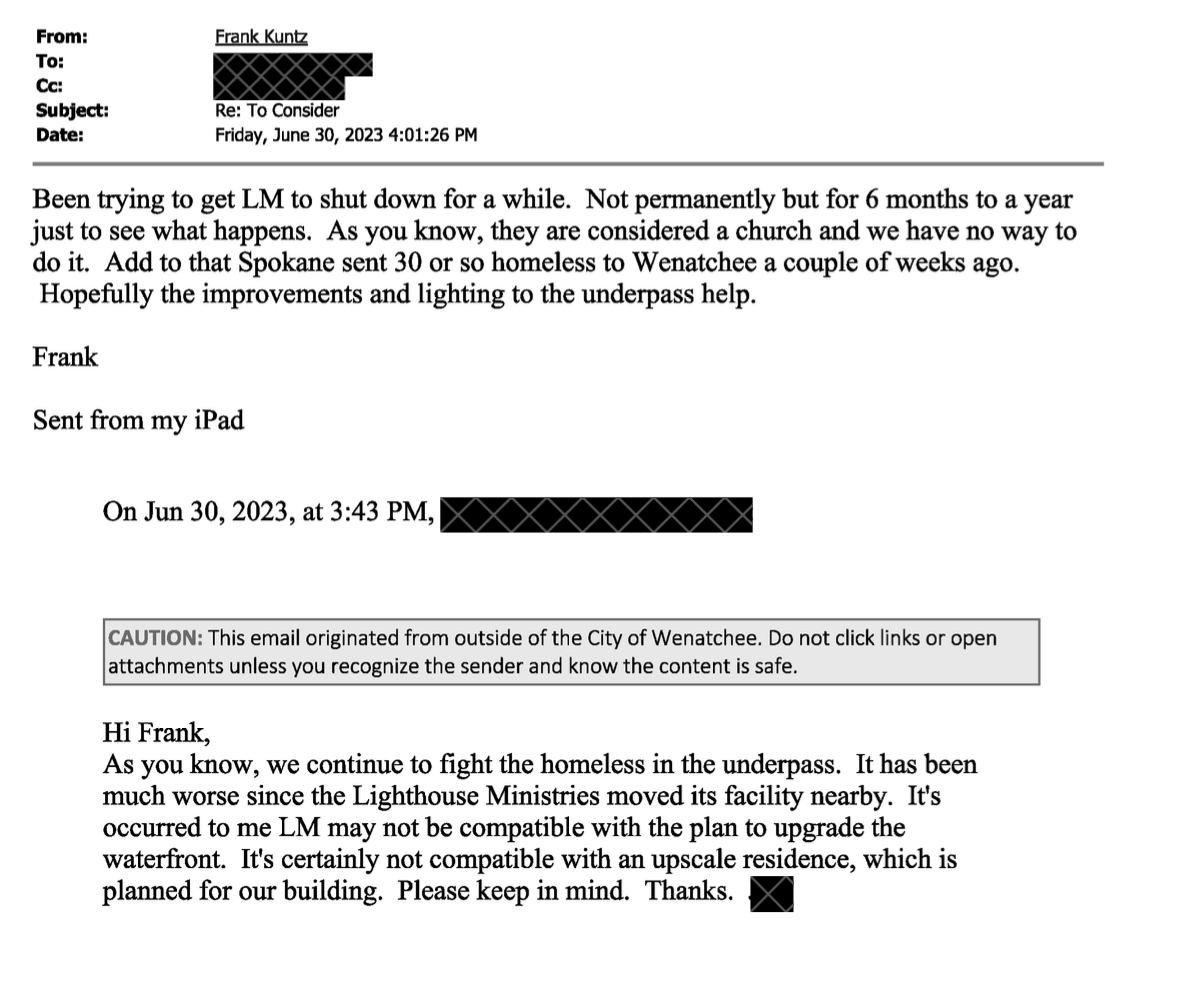
Oliveira doesn’t think the gate, door or lot were ever the real issues. For some, Lighthouse’s mere existence was intolerable. He points to Reimagine Wenatchee, the city’s plan to remake the downtown waterfront, with Lighthouse sitting on its border. In one email uncovered via FOIA request, a constituent wrote to then-mayor Frank Kuntz that Lighthouse “may not be compatible with the plan to upgrade the waterfront.”
The mayor replied: “Been trying to get LM shut down for a while. Not permanently but for 6 months to a year just to see what happens.”
Throughout this process, Oliveira has also been frustratingly learning who his friends really are. Of one Lighthouse’s neighbor, he recalled, “Any time that he had an issue, all he had to do was send me a message and I would immediately go and take care of the issue.” He would clean up trash, or ban someone from Lighthouse who caused trouble next door so they had no reason to be in the area moving forward. “I was at his disposal, he was still just going and constantly complaining to the city.”
Seeing in plain english in the FOIA’d documents that his organization had been on the chopping block well before the permit was revoked, Oliveira believes city officials were just waiting for an excuse. “The whole situation to me was just super shady.”
Oliveira and Lighthouse Christian Ministries are currently awaiting next steps in federal court. They have been dealt one setback already as a judge dismissed the case at an early stage in April 2026. Lighthouse filed an amended complaint built on newly obtained records, and the fight continues.
The legal process will determine what becomes of the legal entity, but it has little to do with what Oliveira sees as the calling to do what is right, and the innate goodness that defines humanity.
“I believe that humans have a natural desire to be helpful,” he says. “If they were not paying so much in taxes, I believe people would be more willing and more giving and more generous by nature, which would allow them to give to organizations like ours and the other organizations in town to help those same people.” Supporting friends, neighbors, and giving back can and does happen without being forced via taxes.
Even if they win in court, Lighthouse has faced severe disruptions to their operation. When they were forced to close, they lost food contracts with some of the area’s biggest grocers. Other organizations picked them up, meaning food is ostensibly still making its way to feed the hungry, but those other options are “farther out of town,” dispersing, rather than solving the homelessness issue.
The daily refuge people used to find at Lighthouse is gone, and Oliveira says the loss of their space can be seen in the police record. “The people that they’re now seeing in parks breaking sprinklers and getting into trouble,” he says, “those were usually the people that were hanging out at Lighthouse, minding their own business and staying out of the way.”
Unintended consequences are commonplace where force is used to direct resources. Instead of being free to donate and address issues in real time, Wenatchee community member’s money is paying city lawyers whose billable hours go toward keeping Lighthouse closed. Other consequences of violence and theft are inevitable: a reduction of happiness, harmony, and prosperity are playing out in real time. “Just to see what happens,” does not justify pausing or ending a charitable venture.
Somehow, Oliveira isn’t bitter. “I don’t want life to be difficult for the city. I don’t want life to be difficult for Lighthouse Christian Ministries. I don’t want life to be difficult for the individuals that are a part of this community, whether they’re housed or unhoused, or on drugs or not on drugs,” he says. “I want everybody to have the ability to have a peaceful life.”
“Government overreach is a son of a gun, basically.” he says. “My hope is that we’re given the opportunity to be able to go back to doing what the Lord has called us to do, which was to help people.”