
The City Says This 85-Year-Old Widow Owes $250,000
By: Conner Drigotas
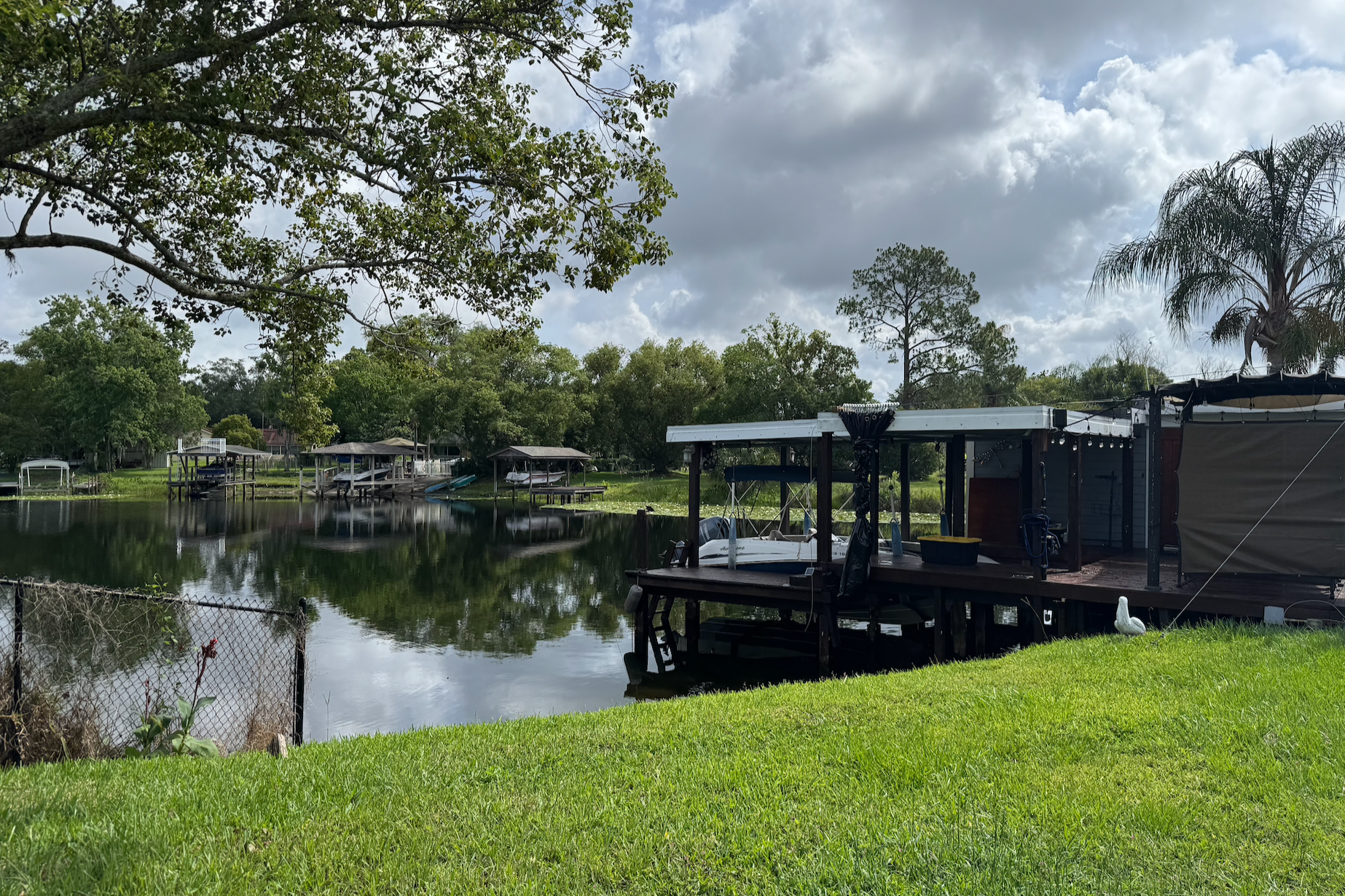
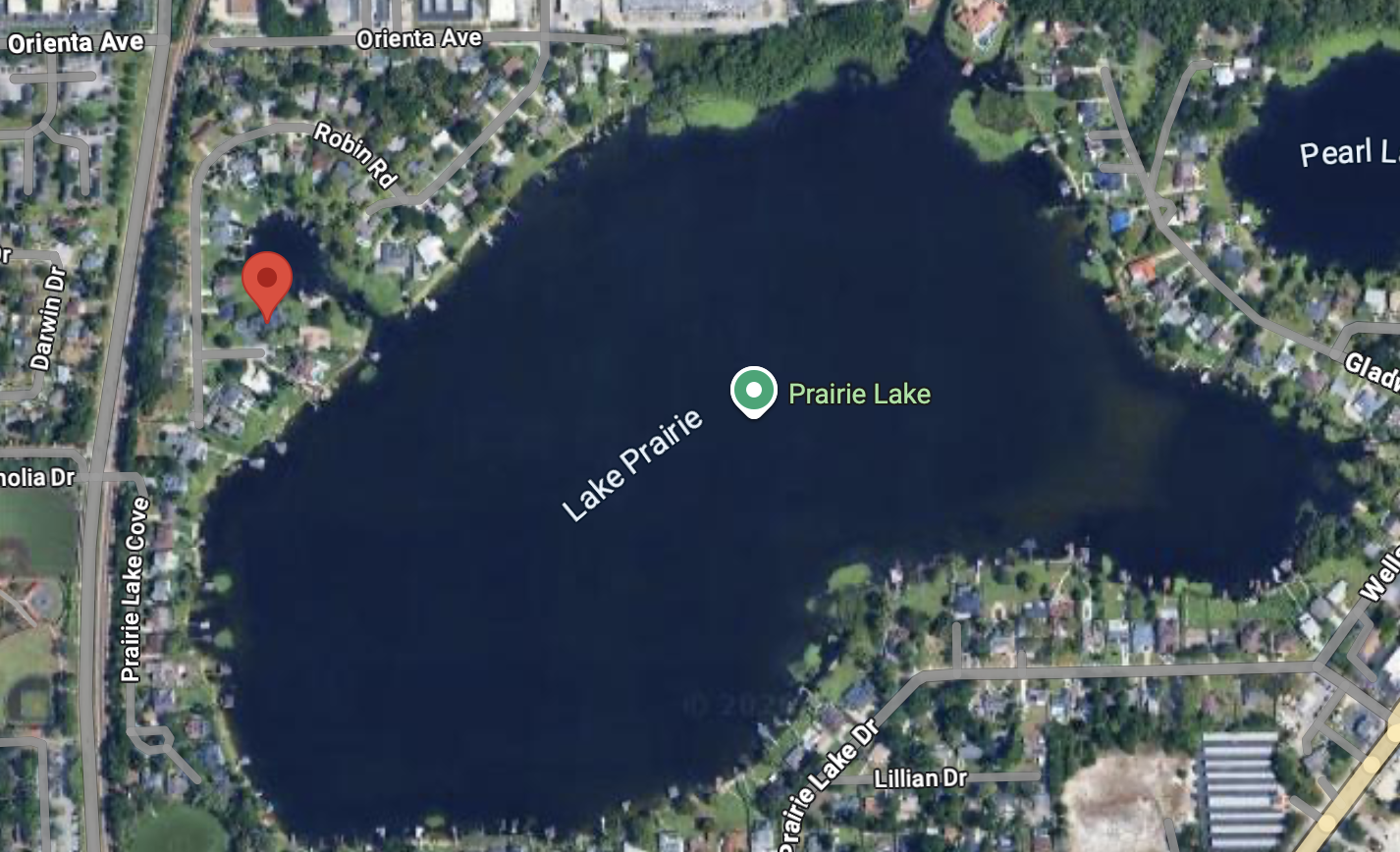
For nearly four decades, Carol Edwards has lived on the shore of Prairie Lake in Altamonte Springs, Florida. In her time there, Carol says the neighborhood has been the kind of place people romanticize: close-knit, festive, and anchored by the water that connected their backyards to the lake beyond.
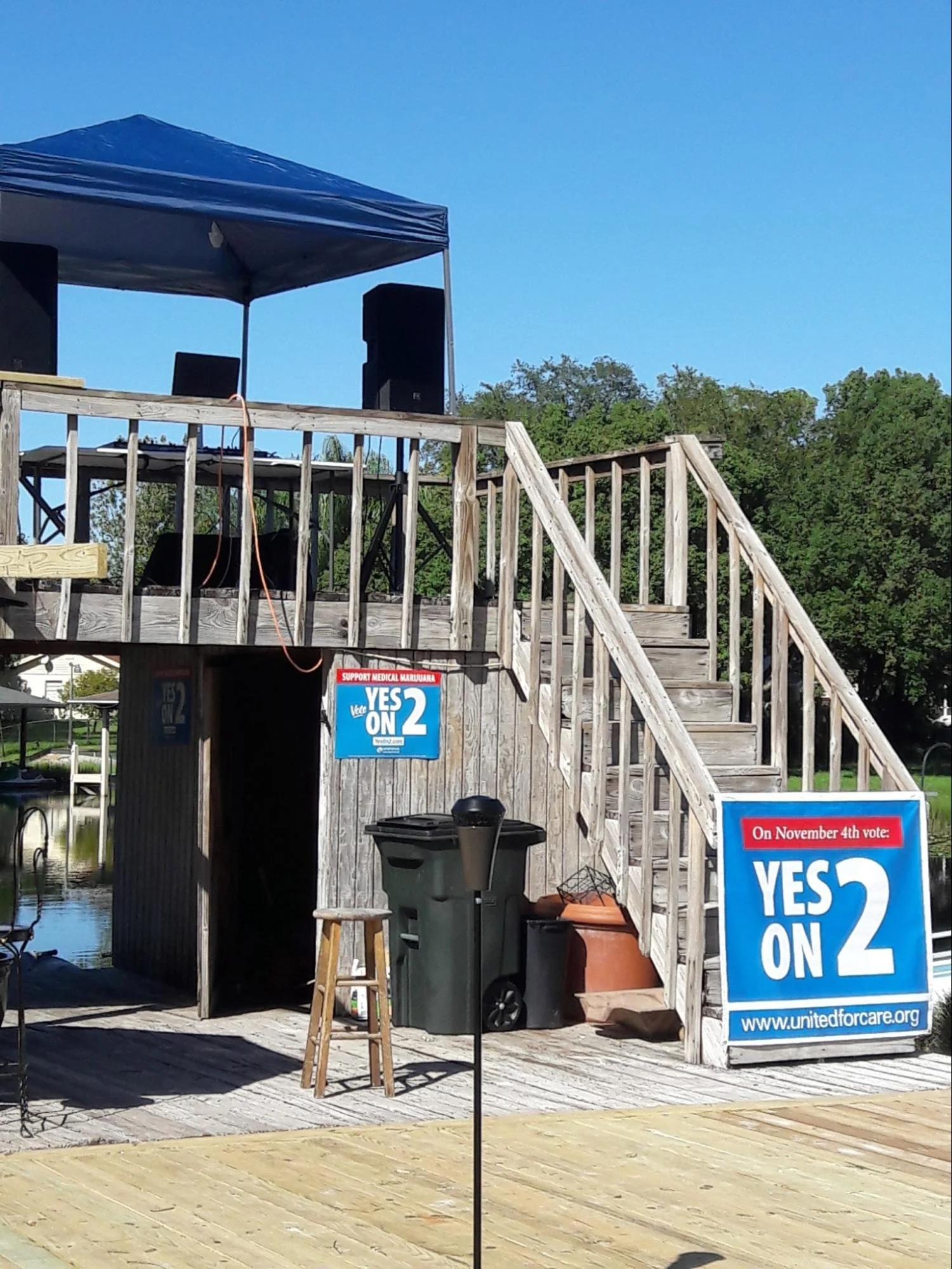
"We bought this lot back in 1987 and you can't even imagine how many parties we've had on the dock," Carol recalled. "We have had birthdays, anniversaries, baby booms, weddings and funerals. We were the neighborhood party place."
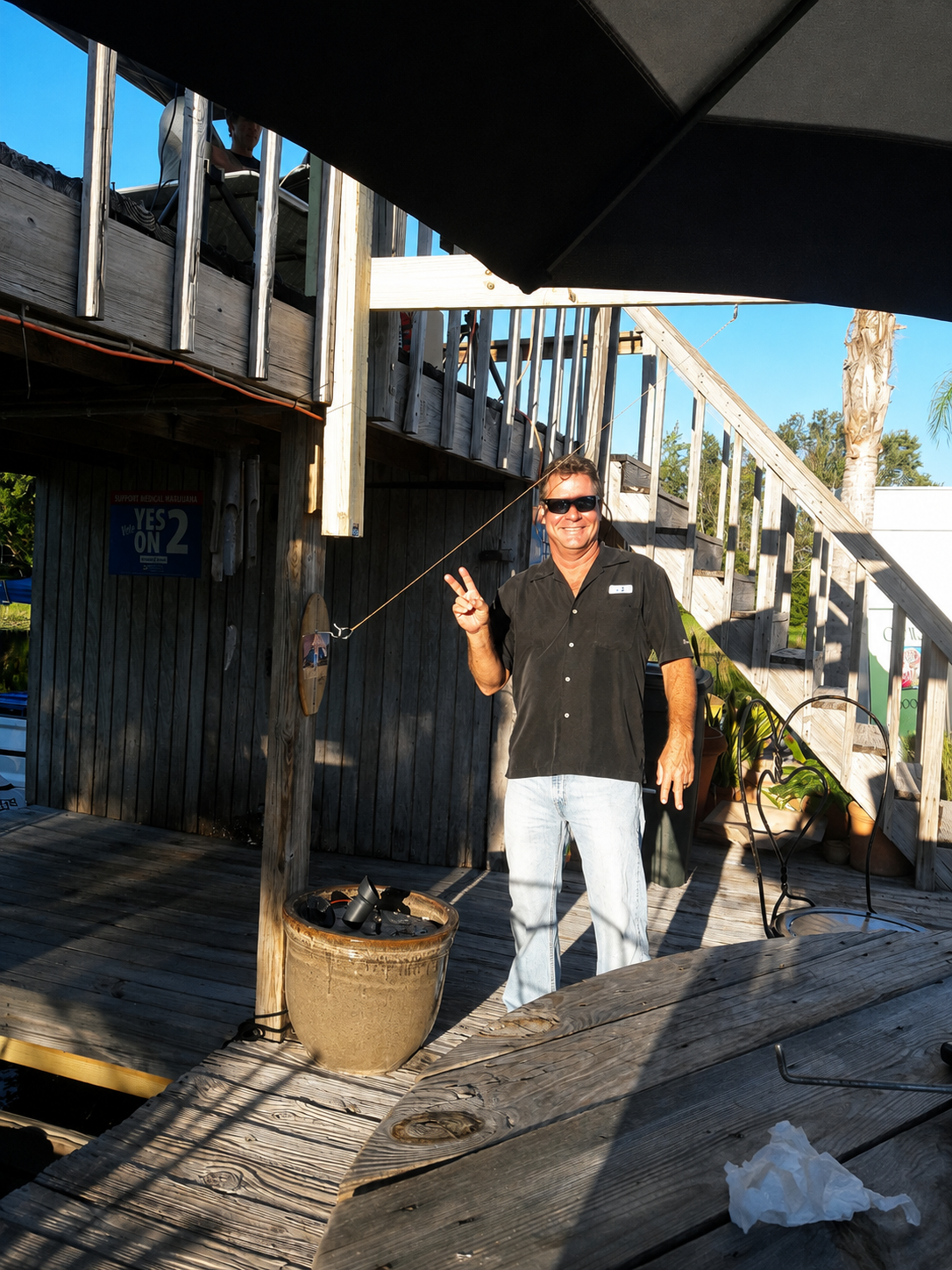
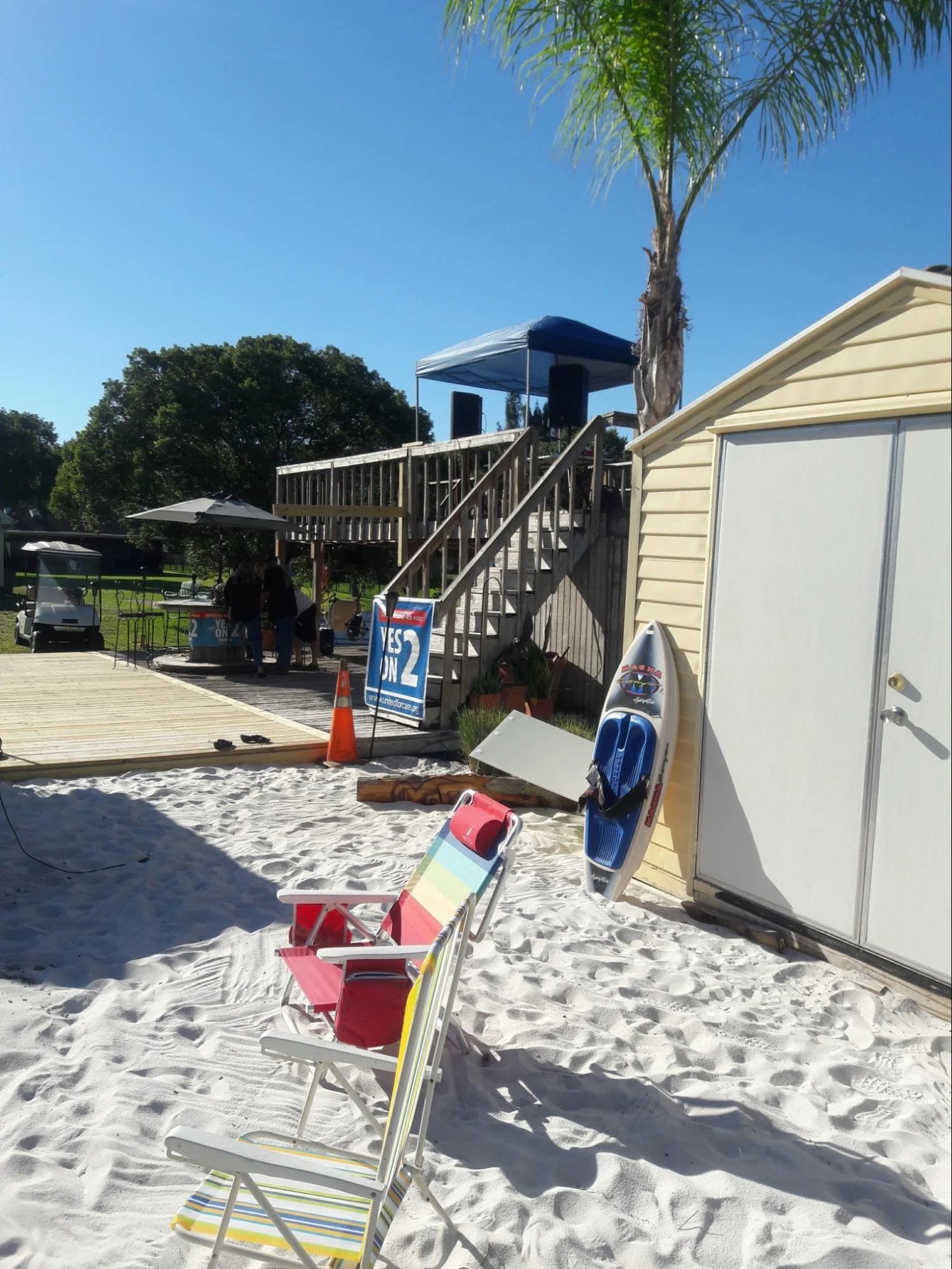
The dock, a two-story structure with a boat lift, upper deck, and storage, was built in 1989, a year after the house. For the next thirty years, the Edwards paid property taxes on the dock. Their neighbors came and went. Kids grew up. The parties continued.
"There's probably 50 homes on my block, and I knew every one of them personally," Carol says. "We walked in each other's homes like it was nothing. We'd take picnics out to the middle of the lake. In July, the fireworks would go up; we had a good time."
Now 85 and widowed, Carol sat down with her adult son Mitch for an interview with Respect America. The dock that hosted a generation of celebrations is still standing, but a dispute over its existence has led to a $250,000 bill from city officials. With that hanging over her head, Carol can barely afford groceries.
After the Storm
In September 2017, Hurricane Irma swept through central Florida and tore up the Edwards dock. Carol, by then widowed after her husband's passing in 2010, called the city as a first step in the rebuilding process. "I called the city and asked them if I needed a permit in order to rebuild the dock or repair the dock, and they said no."
City official’s position, allegedly standard in the aftermath of the storm that damaged property across the region, was that hurricane repairs didn't require new permits. Relying on that assurance, Carol rebuilt the dock on the same footprint, in the same location, with the same piling structure.
City officials proceeded to hold a Code Enforcement Board hearing in September 2018 without Carol present, because a city official had told her attorney she didn't need to attend. The Board found her in violation and gave her 90 days to tear down the dock or pay $100 per day in fines.
Still Kicking
What followed was a legal battle that has stretched nearly a decade and required fighting on two fronts simultaneously: a property dispute with the neighbor in state court, and a fight over the city fines that has reached federal court.
In June 2024, a state court magistrate settled the former, finding that the dock had been built in 1989 pursuant to a valid permit, had never moved from its original location, and had not increased in size. Carol had proven a “prescriptive easement” and the final judgment forced the neighbor to pay Carol’s legal bills and give up on his case.
"I was elated," Carol says of the ruling, "but then [my former attorney] informed me that it wasn't over yet.”
The daily fines from the city had kept accumulating the entire time.
By the time the state court case concluded, the city claimed Carol owed over $250,000. A lien had been placed not just on Carol's home, but on every piece of property she owns, including an investment property she rents out. That rental income, combined with Social Security, is all she has to live on.
The lien has effectively frozen her finances. "We can't sell the other property because the city has liens on both properties," she says. “Right now, I have to worry about how I'm going to eat next week. It's really got me in an awfully tight place. When my husband died, I figured I'd had enough money to live the rest of my life, but it didn't work out that way.”
Carol is now represented for free by attorneys from the Pacific Legal Foundation, a nonprofit law firm, in a federal case against the city. Her attorney, Loren Seehase, argues the fines violate the Eighth Amendment's prohibition on excessive punishment, and that Carol is one of millions being treated unfairly.
"This case highlights government abuse, government overreach, and the lengths that they will go to over-zone and over-regulate everyday Americans," Seehase says. "This is a situation where it could have easily been resolved without nearly bankrupting an elderly woman and foreclosing on her home, but yet here she is years later still having to litigate it.”
There are broader implications, too, Seehase argues: "Carol's case highlights issues going on across the country. Local municipalities are increasingly over-regulating every little detail of a person's house, of a person's residence, of their home, of their business, and imposing egregious fines for minor violations to the point that it could ruin someone."
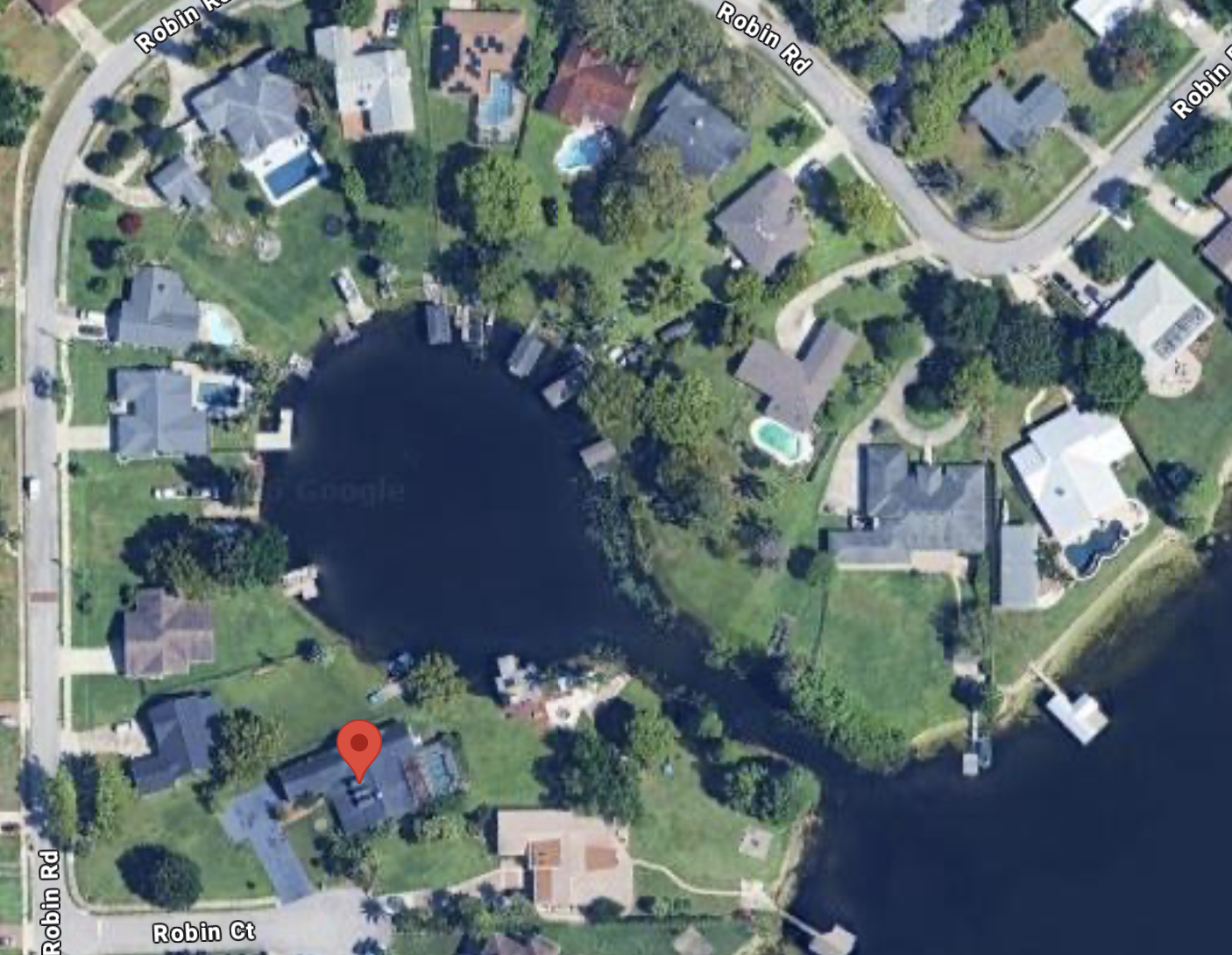
As for the dock's location, she adds, the topography left no room for debate: "The dock had to be in that location because of the topography of the land. That was the only spot for the dock to be placed in 1989."
Mitch sees the same “problem” with most docks nearby. "I've got all these pictures of where the dock of the next-door neighbor is, like, two feet from the neighbor's property line," he says. "All these docks are, for lack of better terms, encroaching on what the setbacks are now, too, way worse than ours, and three quarters of them never even had a permit to build. If all the parcels followed the ordinance today, they'd all have to be removed."
Around the time Carol was finishing those dock repairs, a neighbor purchased the lot adjacent to hers. Despite attending various Edwards dock parties in the past, and purchasing the property knowing where it lay, the neighbor, who moved from just up the block, soon complained to city officials that Carol's dock encroached on his property.
According to Mitch, when he tried to work things out directly, it didn't go well: "I said, 'Hey, we can work this out.' He goes, 'No, tear down your dock,' and he slams the door in my face."
The city sent an inspector and, in January 2018, issued a red tag stop-work order, even though the repairs were already done. Officials then issued a Notice of Violation. Carol submitted building plans for after-the-fact permits, hoping to formalize the work. They were denied, one after another, on the grounds that the dock extended over the property line and didn't meet the current ten-foot side-yard setback.
What made this particularly frustrating was Carol’s certainty that the dock had been properly permitted the first time. "The city claimed that we didn't have a permit," Mitch says. “They lost all their permits in a flood, which is public knowledge, so they lost half of them. Conveniently, they lost ours."
In response, Carol produced a copy of the original 1989 inspection report, complete with the permit number. The contractor who built the dock, Roger Timlin, testified that he pulled the permit. The Seminole County Tax Appraiser confirmed the dock had been on the tax rolls since 1990, which could only happen after a final inspection was received. Altamonte Springs City officials looked at this evidence, but concluded the permit had never been finalized, ruling the dock was therefore an unpermitted structure.
Asked what it would mean if the accrued fines were voided, Carol was effusive: "Oh my gosh, that would mean financial freedom. I could pay my bills. I would stop having people hounding me. I could stop worrying about the city and the price of groceries going up next week. I could buy my grandchildren a birthday present."
The Principle of Human Respect recognizes that voluntary cooperation, honest dealing, and respect for what people have built are the foundations of a thriving community. What happened to Carol Edwards -- a neighbor turned adversary, city officials who reversed their own assurances, and fines that grew beyond any reasonable relationship to the alleged offense -- is a case study in what happens when that Principle is ignored. Carol’s dock should not be the vehicle for this elderly widow's financial ruin.
At 85, Carol is still sharp, still willing to fight, and still living on the edge.
"I live in this beautiful house, but I'm just barely hanging on to her," she says. "I'm still kicking, and I've got my brains, so I'd like to enjoy my life, but I can't."
Carol’s case is awaiting action in federal court.