Princess Awesome, Boy Wonder, and the Trump Tariffs
By: Conner Drigotas
“On April 2, Liberation Day, tariffs hit, and Rebecca, our Chief Financial Officer and CEO, she sat on the couch and cried and said, ‘I think we're going out of business. We can't afford this.’”
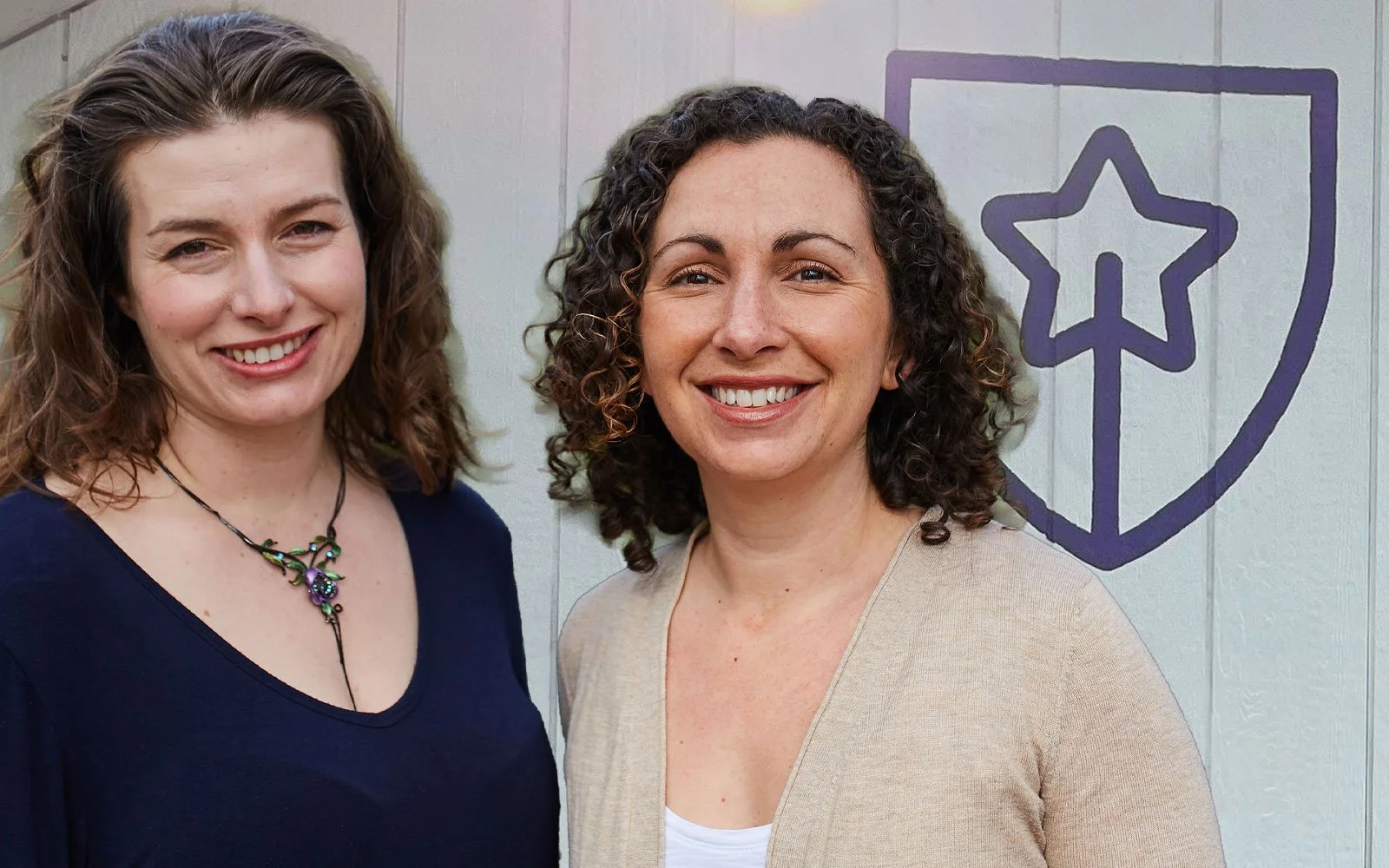
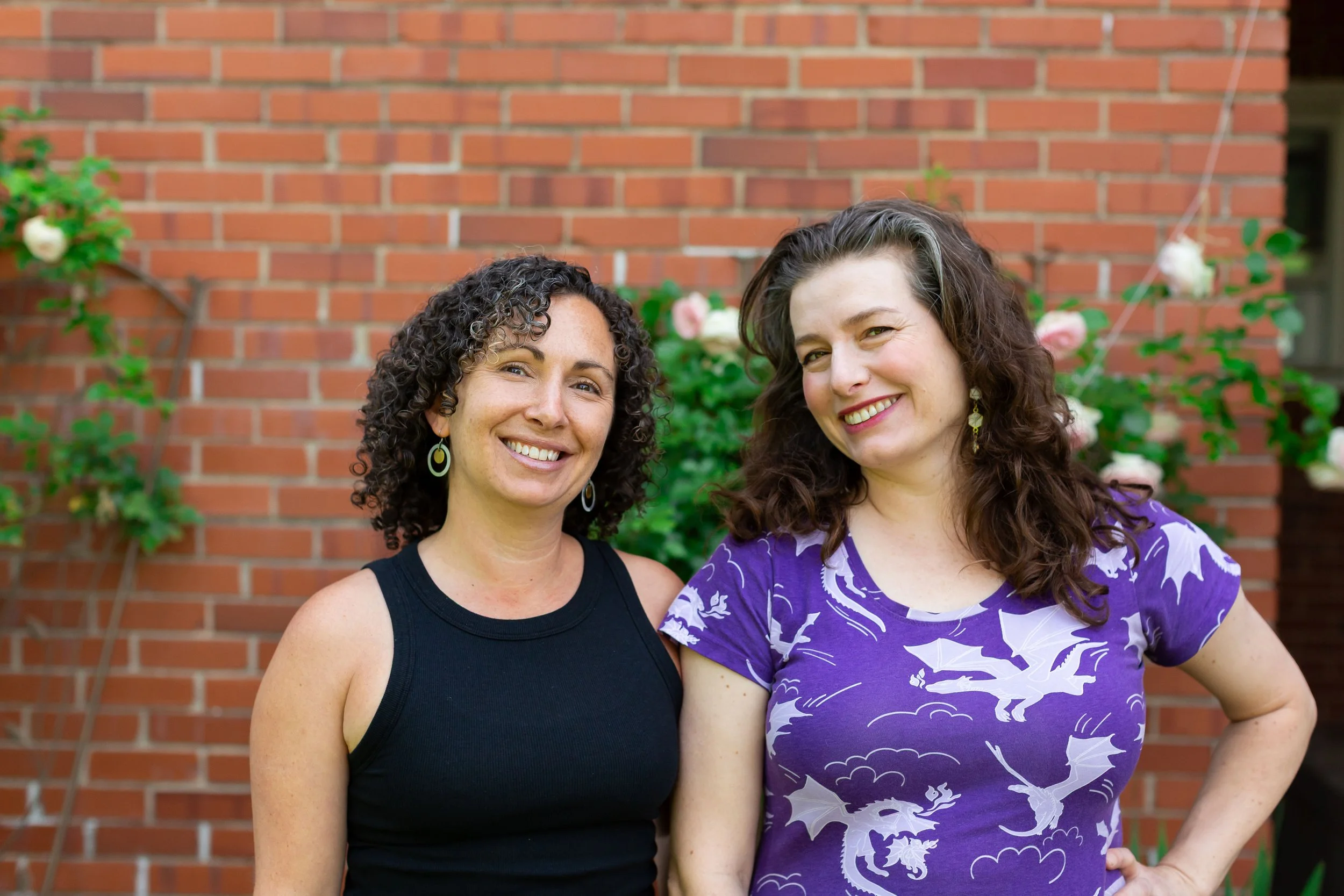
Speaking to Respect America about her and Rebecca’s small business selling one-of-a-kind clothing for kids and adults, designer Eva St. Clair recounts their fight to navigate the “endlessly changing array of tariffs” that have been implemented in the second Trump administration.
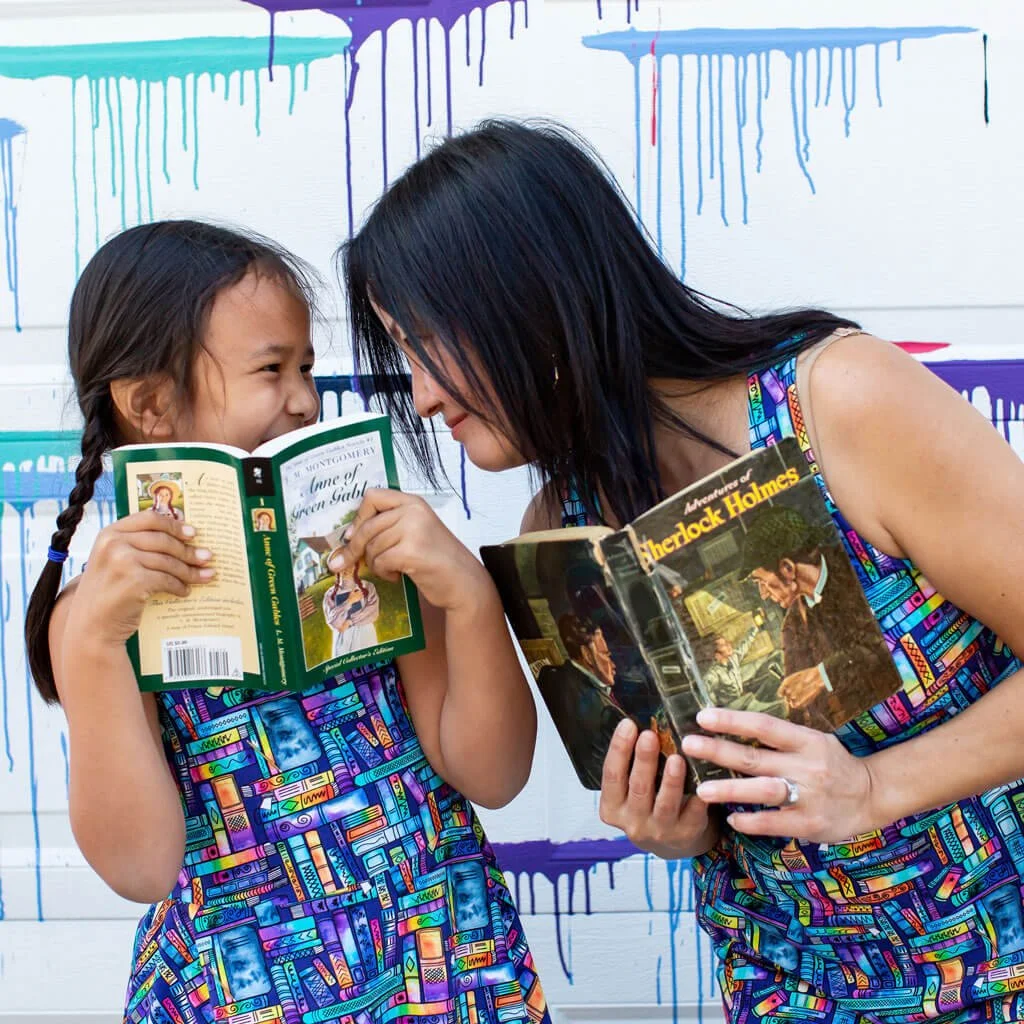
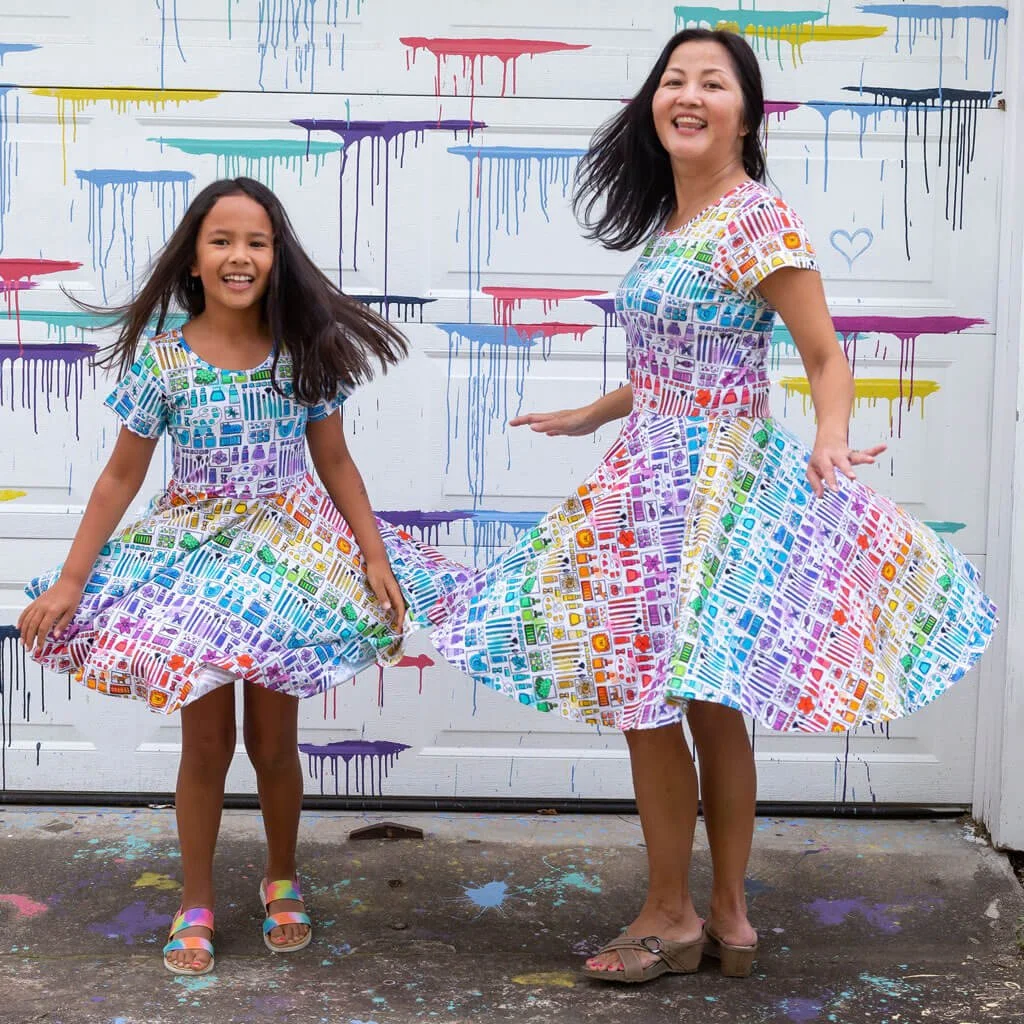
Eva and Rebecca’s company, Princess Awesome & Boy Wonder, was created to “smash stereotypes” with an “intention that all individual human beings deserve to be seen as their true selves and honored for their own unique set of interests.”
That vision is what led them to create vibrantly patterned clothes for children and then expand into new production for adults as well, working with producers from all across the world.
Far from being seen as individuals themselves, however, Eva and Rebecca have been lumped into the collective diminishing of wealth being orchestrated by DC bureaucrats and politicians through “the sudden, arbitrary, back and forth” implementation of global tariffs.
“It diminishes all of us at a very deeply human level, it takes away our individuality.” Eva laments, “It takes away from our creative spirit and from our ability and right to make choices about our own lives. That's not what our country was founded on.
Real Costs
First floated during Donald Trump’s campaign as a way to replace income taxes, decision makers in the Trump administration have implemented, rolled back, and then re-levied tariffs which must be paid in order for goods to enter the United States through customs.
“The amount of gray hair I have gotten this year from this… it's extraordinary how stressful it has been.” Eva says, “every time there's some new announcement, we have to replan our entire year.”
Part of the back and forth has been the result of judicial rulings, but tariffs have also been delayed or adjusted seemingly on a whim, making it near impossible to effectively forecast revenue and balance a bottom line, especially for small businesses without cash to spare.
“Considering how uncertain everything is, it almost feels like: why should we try to invest or develop anything with anyone?” Eva says, “It's very disconcerting, and it really puts a damper on just trying to make anything, because it feels like the rug could get pulled back from under you at any time.”
On top of the near constant stress is the measurable financial impact on her business and her bottom line, which negatively impacts her children.
“There's no way. We can't both pay ourselves and the tariffs. We can't.” Eva explains, “China had 145% tariffs on it, That's more than our entire margin. Nobody's going to buy a child's dress for $120. Like, we can't sell that. No one will come buy it.”
At the time of writing, dresses were selling for $40, but even at that price range, Eva estimates that they have seen a 30% decrease in their business, and is frustrated that money which would otherwise be going to support her family is being sucked into a politicized and non-transparent budget, instead of the urgent day to day needs of her family.
“It drives me mad to think that my money is going to, who knows what?” Eva says, “That's terrible. I'd much rather have my money and spend it on the education for my children, which is my main expense.”
Stitch. Fix.
Despite a stated goal of these tariffs being a revitalization of American production and protect American workers, Eva says that kind of change simply isn’t possible in the clothing manufacturing industry. In fact, “there are not domestic manufacturers that can produce [their clothes] for competitive prices while meeting the stringent quality standards that Princess Awesome demands.”
They could create a cheaper product, but does that serve Eva’s clients who expect a product that “is meant to last through at least two kids, and preferably three or four kids?”
Should government officials be allowed to pick economic winners and losers? Of course not; but the long and storied history of central planning failures hasn’t been a deterrent. Government officials at the highest levels are improperly playing with the consensual relationship between Princess Awesome, their manufacturing partners, and the clients they serve.
Despite politicians’ idealist hopes, Eva says spinning up clothing manufacturing to meet quality standards in America would also be near impossible, and would require paying exorbitant amounts to the very people the tariffs intend to kneecap.
“If you wanted to make fabric here, you'd have to import the machinery from China first before you can even make the fabric.” Eva explains, pointing out that doing so would also require paying tariffs, “There's no one in America who knows how to make clothing on an industrial scale anymore.”
Frustration over government official’s intrusion into her business and personal life led Eva and Rebecca to join onto a lawsuit with other small businesses, represented for free by nonprofit law firm, the Pacific Legal Foundation. Their complaint is currently awaiting a ruling for summary judgement.
As tax season approaches, and despite growing tariff revenue, the income tax remains in place.
As Eva sees it, this lawsuit is an opportunity to stand united with her countrymen against bad decision making and further erosion of her bottom line, but it’s also the product of a moral imperative to do the right thing now so the next generation can reap the benefits.
“As citizens, you are supposed to keep your government out of your life.” She says, “Take the opportunity to fight back however you can. You can't stop everything, but you can stop something. That's why we sued. This is one thing we can do.”