
Michigan Farmer: Eminent domain is “taking away our future”
By: Conner Drigotas
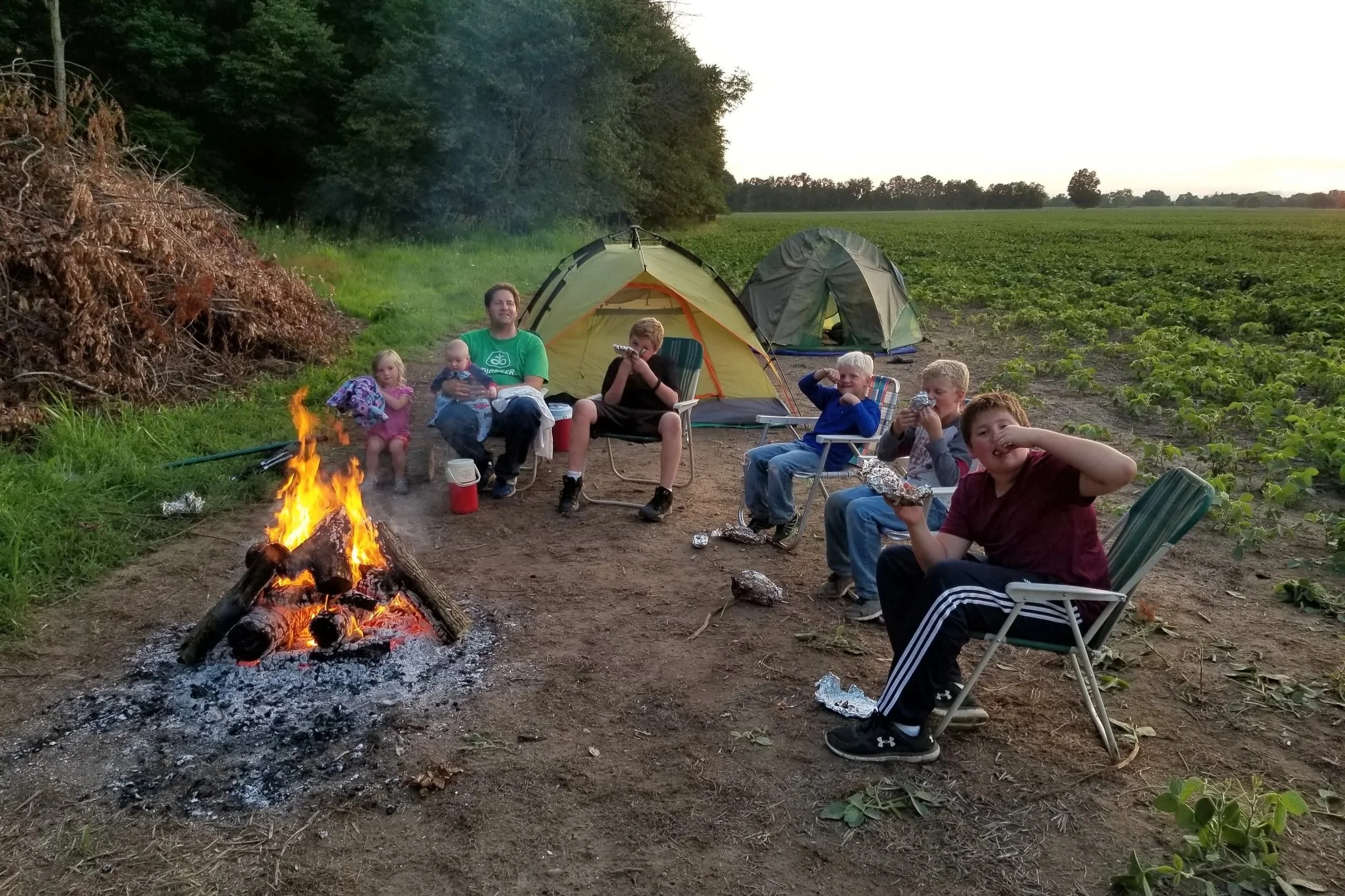
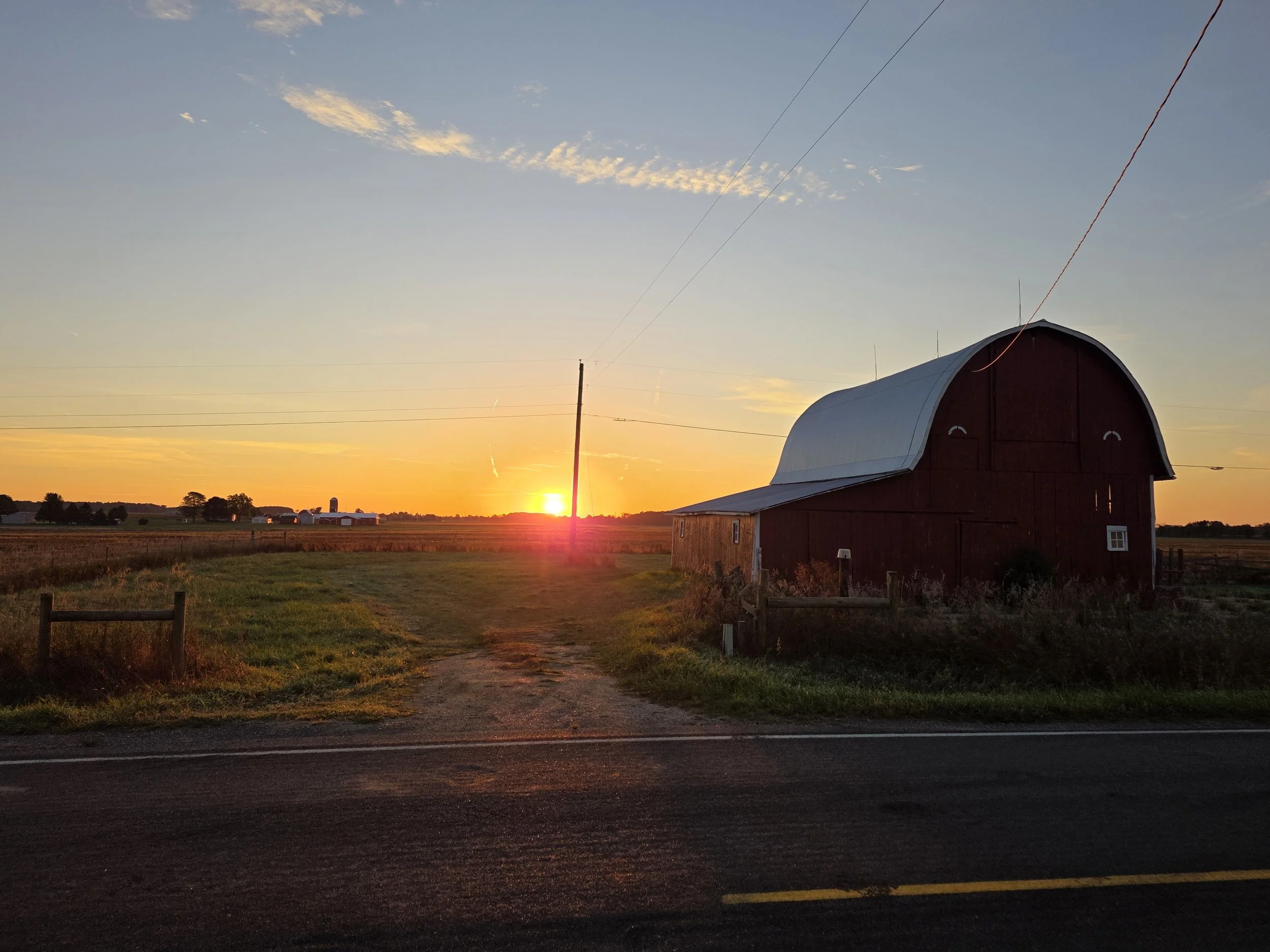
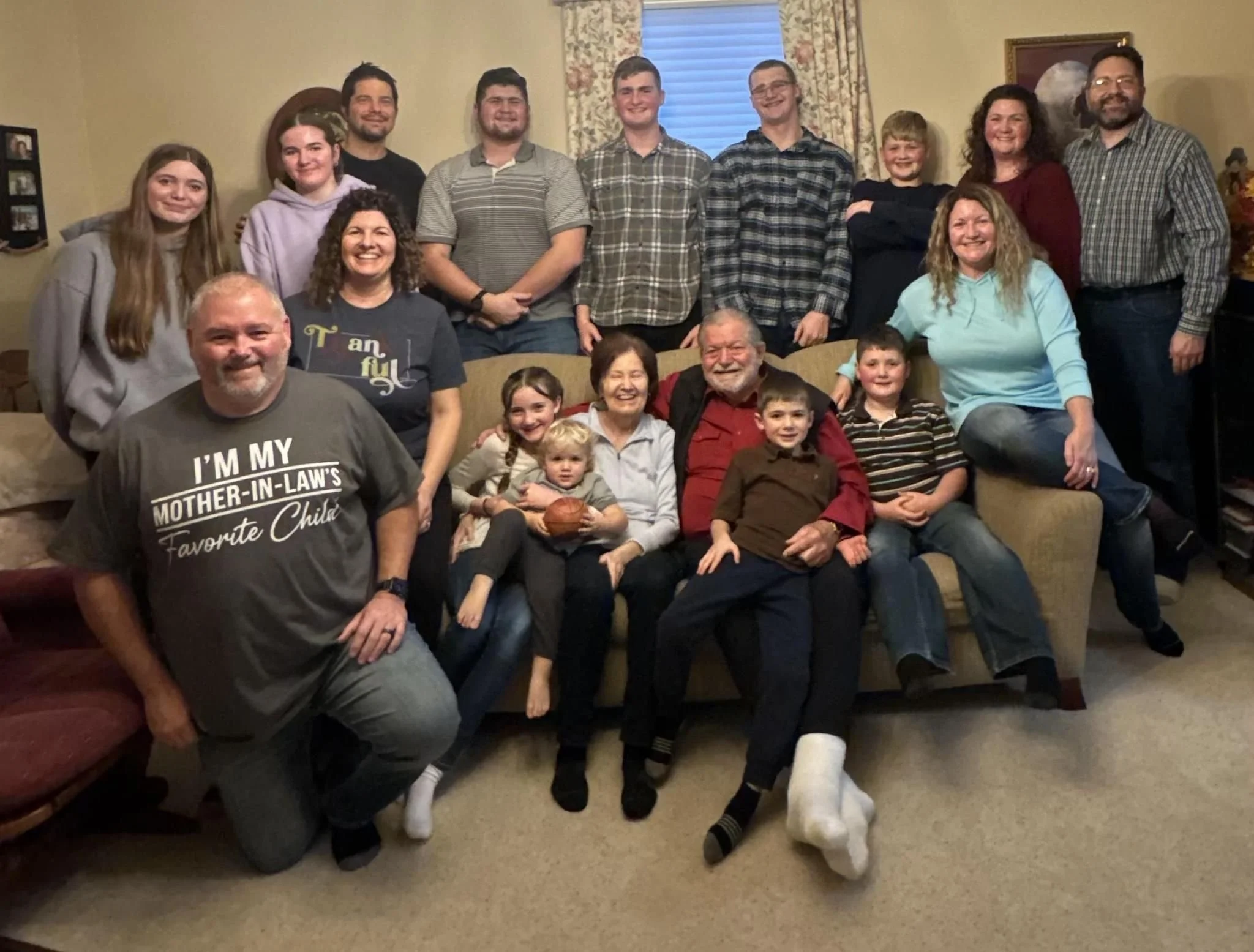
Rick Thelen is a farmer and a family man. The 330+ acres his family owns in Michigan, where they grow wheat and soybeans, have been in the Thelen name for generations. A father of eight, Rick talks about the land less like an asset than an inheritance, a place within walking distance where his children might one day raise their own families.
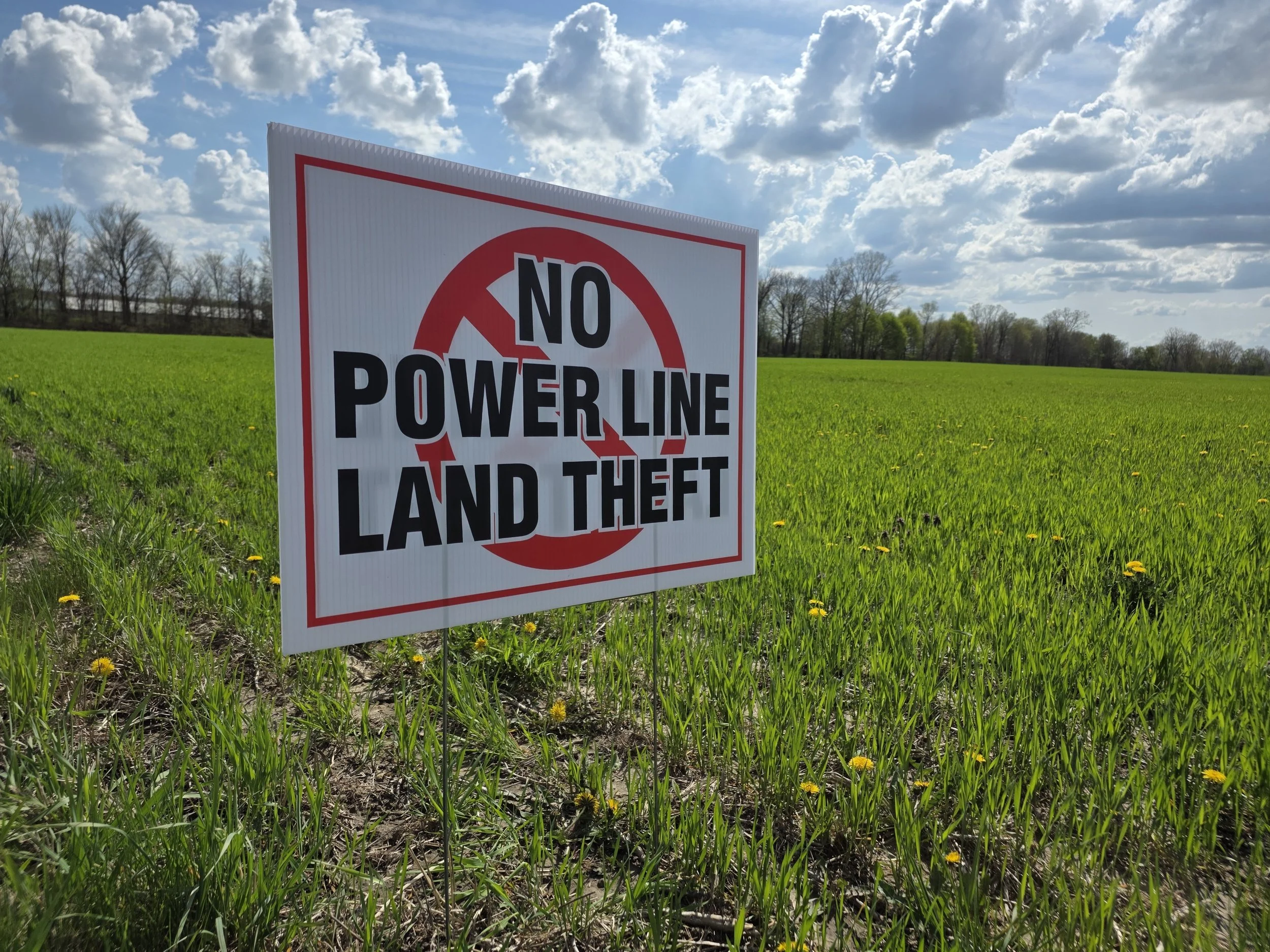
The farming operation, the houses, and the close ties Rick says define and strengthen the Thelen family are now under threat. Members of the Michigan Public Service Commission are moving to seize parts of his land through eminent domain, running a 345-kilovolt transmission line straight through the property and, as Rick sees it, straight through the future he has spent his life building.
He is not alone. Rick is one of hundreds, perhaps thousands, of landowners up and down the proposed route who have been told they have no choice but to sell at a price they don't consent to and learn to live with steel and wire where their fields used to be.
Family ground
The appeal of eminent domain, Rick explains, is that it lets officials cut costs on behalf of energy companies. Rather than negotiate for a convenient or unobtrusive corner of a property, or deal with the rightful landowners, they can simply take the strip they want.
"They're only paying for the easement, which is 100 feet on each side of the line," he says. "I have an 80-acre field, and they're cutting it up like a grilled cheese sandwich."
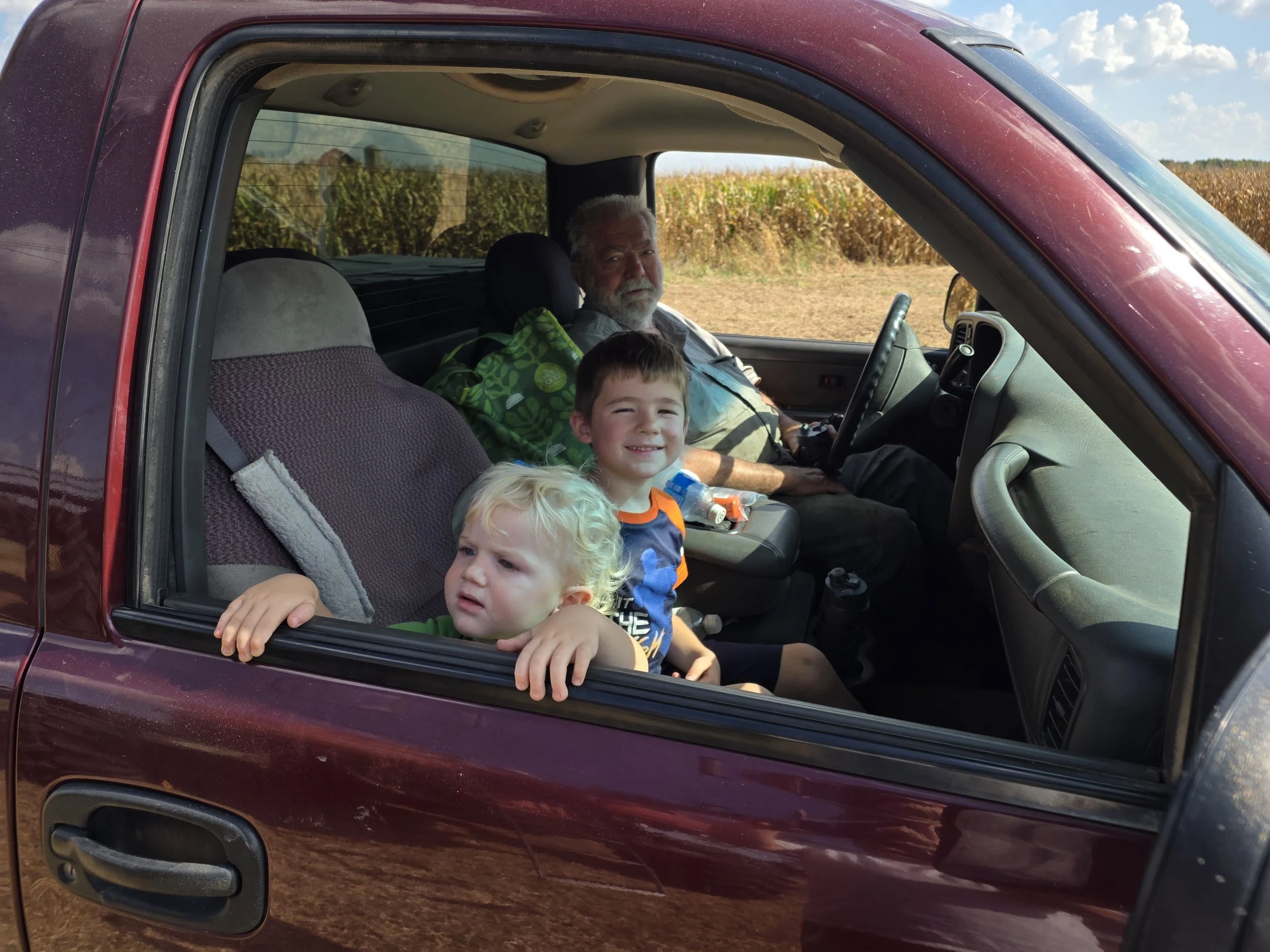
Rick shares working the land with his brother and their 80-year-old father. With their father’s health in decline, the sons have found themselves fighting not just for their parents’ best interests, but also for the future they’ve been working to build for their entire lives.
Part of that fight is about where, exactly, anyone would want to live once the line goes up. Rick points to the vibration, the noise, and what he calls "the EMF concerns" - the electromagnetic fields that surround high-voltage lines - as areas for worry. The science on long-term EMF exposure remains young and unsettled, a point Rick readily acknowledges, but he sees no reason his family should be the ones to find out.
"It's just taking away half of the property where I would like [my kids] to build," he says.
The line would reshape their working farm in quieter ways, too. Aerial seeding and spraying would be limited, for one, and automated irrigation, something the Thelen’s have already priced out, would have to be redesigned around the poles. It would also limit what equipment they could use.
"We actually had quotes for irrigation pivots," Rick says. "You have to design your pivots around these poles, and equipment is getting bigger and bigger. Some planters are nearly 100 feet wide."
Though it hurts to be facing drastic changes, what stings most, Rick says, has been watching how the process rewards those with the resources to fight. An earlier, "primary" route for the lines was defeated by a well-organized group of landowners who managed to bounce the project onto the alternate path that crosses Rick's land.
"Those people on that primary proposed route, they were very well organized. They fought against it. They were able to bounce it to the alternate," he says. "Most attorneys told us ‘there's nothing you can do, you're stuck with it’… I just felt like it was kind of a farce.”
Central planning
For those who work the land, the cost isn't measured only in acres. Construction means permanent structures, soil compaction, and concrete poured into ground that has grown crops for the better part of a century. Once there, it doesn't leave.
What Rick can't fathom is why the project has to happen on private land at all.
"Why do they need to use eminent domain for these transmission lines?" he asks. "The state owns lots of property. They could put them along freeways. I've talked with the Michigan Public Service Commission, and they thought that too. They even admitted that might make sense."
He points to the route itself as evidence. "If you look at our route, there's state land by the Maple River State Game Area. These lines are actually going around that state land, so they're taking more private land rather than going straight through the state land. It just kind of shows how ridiculous it is. But that's central planning for you."
To Rick, the explanation comes down to money and power. "I think it's using authority to get what they want, even though it's not really in the interest of any of the landowners," he says. The energy companies backed by government officials could, he argues, buy far more than a disruptive and inconvenient easement; they simply don't want to. "They probably don't want to spend that much money, which is why they're using eminent domain to take it for below market value."
Rick’s frustration is the newest iteration of a worldview he traces back generations. "My grandfather always said that government subsidies distorted things and destroyed farming," Rick recalls. "Even way back, he recognized that it just distorted everything." Strip away the subsidies, Rick argues, and the most efficient path to advance any number of projects - power lines, wind, solar, housing, or office space - would become obvious. "Why take our prime farmland for wind and solar when you already have this existing land, a lot of it owned by the city of Lansing or the state of Michigan? It all kind of goes back to central planning versus more voluntary, proper planning; the way things should be done."
The body making these decisions, he notes, is small. "The Michigan Public Service Commission is just a three-person panel that decides things like this — when eminent domain can be used, what route to choose," he says. "There are meetings every month, but you feel like they don't really hear you."
The three current members are Chairman Dan Scripps, Katherine Peretick, and Shaquila Myers.
The principle of the thing
Rick's objection, in the end, is not about the size of the check. He simply acknowledges money is a cheap way to deprive him of something he sees as priceless.
"Valuation of whatever you have is pretty subjective, right?" he says. "For me, this farm will have been in the family 100 years in 2040, so to me it's not really about the money. Overall, it's more of the principle. I consider eminent domain theft, just like the taking of anything else."
Rick’s conviction sits at the heart of the Principle of Human Respect: the idea that voluntary cooperation builds stronger communities and a fuller life, while the use of force, however well intentioned, diminishes happiness, harmony, and prosperity.
"The taking by force is wrong, because, well, do we have private property or not?" he asks. "Whether it's land, vehicles, money, whatever you've accrued, why should someone just be able to come in and take it? I just feel like they're taking away our future.”
Though Rick acknowledges his family will likely need legal help in the future, the Thelen’s are “waiting to see what happens.” The attorneys who have reached out are not interested in fighting the eminent domain taking, but instead want to negotiate higher sale prices, for which they would collect “a third of any increase,” according to Rick.
In the meantime, he is watching his parents, an aunt and uncle, his neighbors, and his community endure the same heavy hand, and he holds onto a smaller, more stubborn goal.
"Even if we can't stop this particular route," he says, "I would like to make it harder for the government to do this to other people."
He would rather it never come to that. "I wish they would just do things voluntarily," Rick says, "rather than use the club of the state to take your land."
There is, he points out, something almost absurd about the transmission lines’ planned location. They wind around government property to cut through ground that has fed families for generations.
"This is good farmland. It's been farmed for so many years. Every year I plant it, and a couple weeks later I see it coming up, and just repeat, year after year," he says, "It just seems odd that the state land is off limits, but our land is right for the taking."